
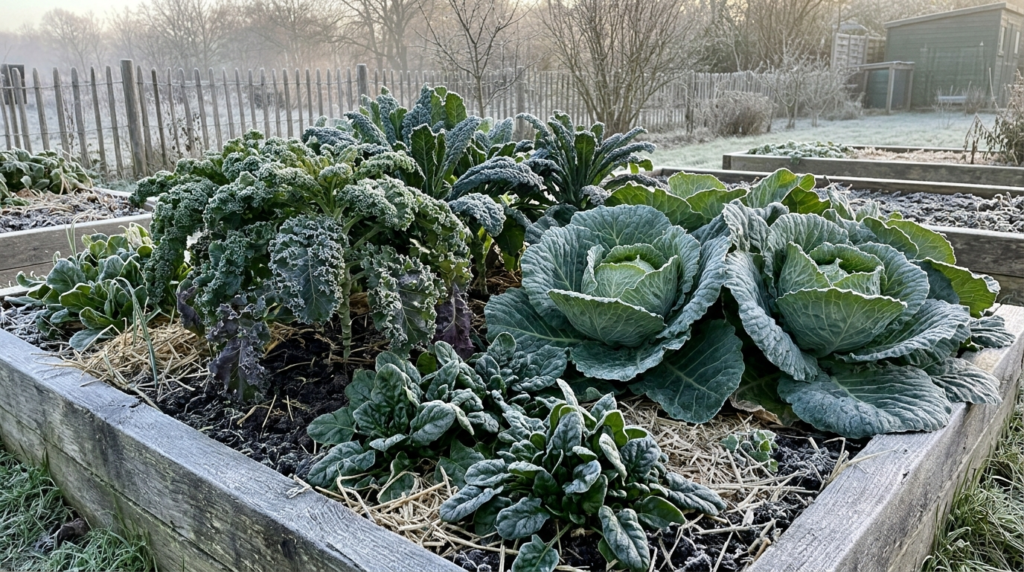
Most gardeners put their tools away in October and wait for spring. But late October is one of the best planting windows of the whole year. The gardeners who use it are picking fresh vegetables all through winter while everyone else waits for the soil to warm up.
If you have empty beds right now, do not leave them empty. Below are ten vegetables you can plant in late October, why each one works in cool conditions, and what to look for when choosing varieties.
Quick Reference: Late October Vegetables at a Glance
| Vegetable | Days to Harvest | Cold Tolerance | Best Varieties |
|---|---|---|---|
| Spinach | 35 to 50 | Excellent | Bloomsdale Long Standing, Tyee |
| Kale | 55 to 65 | Excellent | Winterbor, Red Russian |
| Lettuce | 45 to 60 | Good (cold-hardy types only) | Winter Density, Arctic King |
| Swiss Chard | 50 to 60 | Very good | Fordhook Giant, Rainbow |
| Bok Choy | About 45 from transplant | Good | Shanghai Green, Joi Choi |
| Mustard Greens | 21 (baby) to 50 | Excellent | Florida Broadleaf, Red Giant |
| Broccoli | 60 to 80 from transplant | Good | Calabrese, Romanesco |
| Green Peas | 60 to 70 (harvest in spring) | Mild winters only | Oregon Sugar Pod, Feltham First |
| Turnips | 35 to 60 | Very good | Purple Top White Globe, Hakurei |
| Cabbage | 80 to 120 | Excellent | January King, Savoy types |
1. Spinach
If you only plant one thing this October, make it spinach.
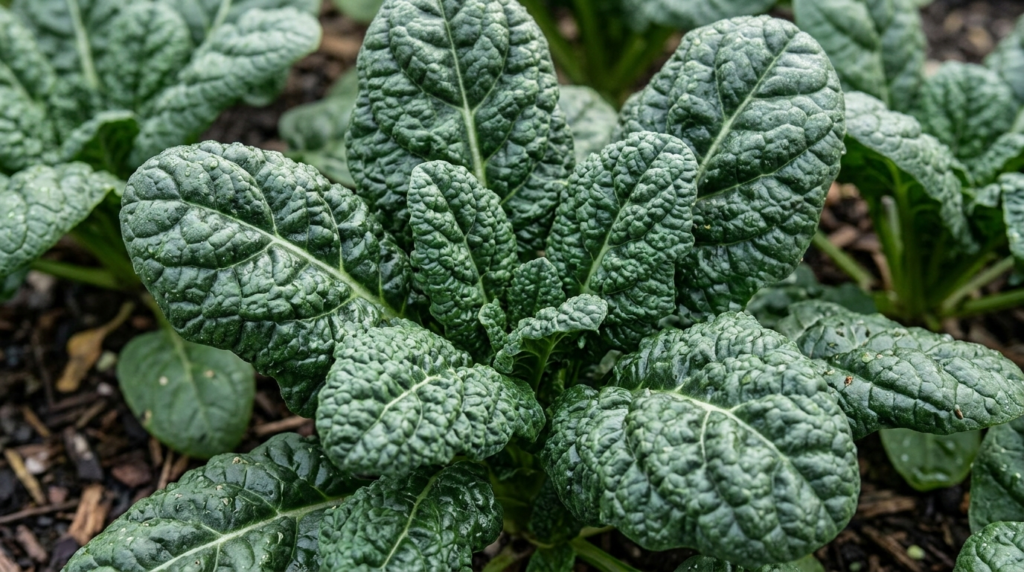
Spinach is one of the most cold-tolerant leafy greens a home gardener can grow. Once established, it can survive temperatures well below freezing. A late October sowing gives the plants time to build a strong root system before winter, so they keep producing leaves in conditions that would kill almost any warm-season crop.
Varieties to look for:
- Bloomsdale Long Standing: thick, crinkled, dark leaves with exceptional cold tolerance.
- Tyee: a hybrid known for slow bolting and strong winter performance.
How to plant: Sow seeds about 5 cm apart and cover lightly with soil. Most varieties mature in 35 to 50 days, though cold weather slows growth.
Pro Tip: Harvest the outer leaves first and leave the centre alone. The plant keeps pushing out new growth from the middle, which gives you a steady supply instead of one big cut.
2. Kale
Kale is one of the few vegetables that actually gets better as the temperature drops. After frost, it converts starches into sugars, which gives sweeter, more complex flavours. If you have only tasted kale grown in warm weather, frost-kissed kale will surprise you.
Varieties to look for:
- Winterbor: tightly curled blue-green leaves and outstanding cold resistance.
- Red Russian: broader, flatter, more tender leaves with equally strong winter performance.
Both mature in 55 to 65 days and keep producing from the centre all winter.
Pro Tip: Harvest regularly, but never cut the growing point. Take the lower and outer leaves and the plant will keep producing for months.
3. Lettuce
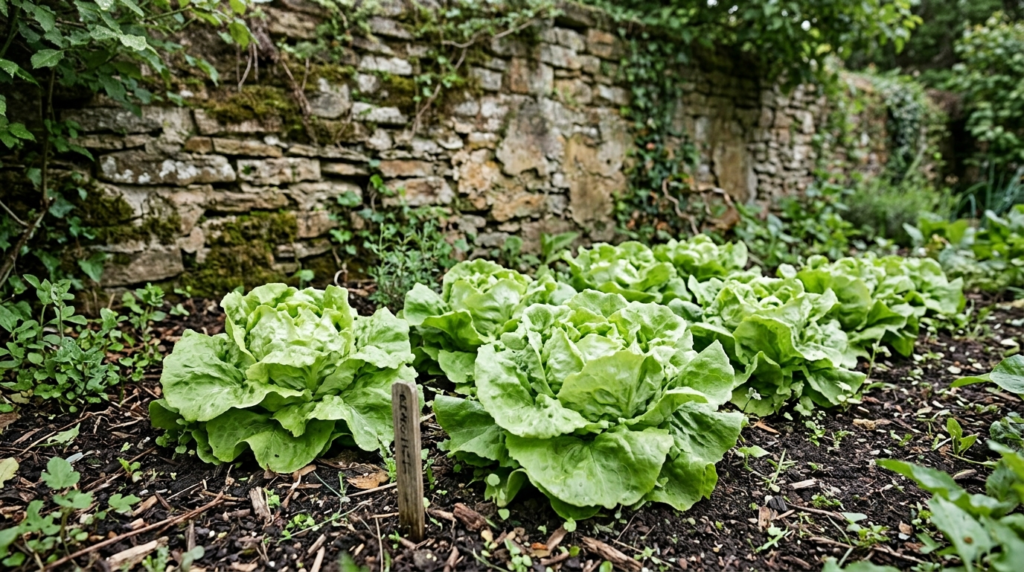
Many gardeners give up on lettuce because some varieties bolt when temperatures swing up and down. The fix is variety selection. Cold-hardy types behave very differently and can give you crisp salad leaves all winter.
Varieties to look for:
- Winter Density: a compact romaine type with thick leaves that handle cold and wet conditions.
- Arctic King: a butterhead bred for overwintering that tolerates hard frosts that destroy standard supermarket lettuce.
Both mature in around 45 to 60 days.
Pro Tip: Plant lettuce in a protected spot, such as beside a wall or fence, away from harsh wind and direct frost. This small change can extend your harvest window by weeks.
4. Swiss Chard
Swiss chard is one of the most underrated winter vegetables in home gardening. It tolerates cold and has one of the longest harvest windows of any crop. A single late October planting can give you usable leaves through winter and into early spring before it finally bolts.
Varieties to look for:
- Fordhook Giant: thick, wide, dark green leaves with white stems and reliable cold handling.
- Rainbow Chard: vivid red, yellow and orange stems with the same cold tolerance.
Most varieties mature in 50 to 60 days, which makes chard great value for the space it takes up.
Pro Tip: Rainbow chard looks good enough to plant at the edge of a bed or in a front garden. You get a harvest and a decoration from the same plant.
5. Bok Choy
Bok choy is a staple of Asian cooking, yet it is still underused in home gardens outside Asia. It is also one of the fastest crops you can grow in the cool season. It thrives in cool autumn and early winter temperatures and can give a full harvest in as little as 45 days from transplant.
Varieties to look for:
- Shanghai Green: compact, with smooth, light green stems.
- Joi Choi: larger heads with thick white stems and excellent cold tolerance.
You can harvest whole heads or pick leaf by leaf over a longer period.
Pro Tip: If you want a longer harvest, pick leaves one by one instead of cutting the whole head. Cut heads only when you need a large quantity at once.
6. Mustard Greens
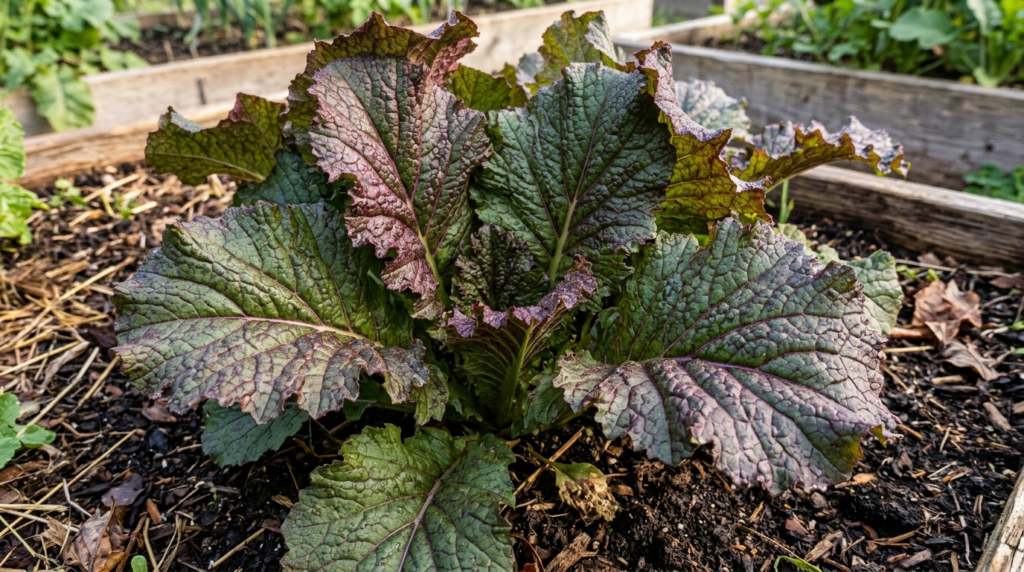
Mustard greens are one of the fastest vegetables you can grow in cool weather. Baby leaves can be ready in as few as 21 days, and full-sized plants take 40 to 50 days. They actually become more pungent and flavourful as temperatures fall.
Varieties to look for:
- Florida Broadleaf: large, smooth leaves with a bold, spicy flavour.
- Red Giant: burgundy-tinged leaves, strong flavour and outstanding cold resistance.
Remove the outer leaves to harvest continuously. Plants keep producing through winter in most temperate climates.
Pro Tip: Sow a new small batch every one to two weeks. Because mustard is so fast, staggered sowing gives you fresh baby leaves nearly non-stop.
7. Broccoli
For late October planting, transplants are your best route to a reliable harvest. Broccoli grown from seed this late is racing against the weather, because it needs a longer growing period than most vegetables on this list. Transplants that are already 4 to 6 weeks old give you a real head start and a much better chance of cutting a full head before the hardest winter conditions arrive.
Varieties to look for:
- Calabrese: a compact central head, plus multiple side shoots after the main head is cut.
- Romanesco: a striking spiral-shaped head with a nuttier flavour and similar cold tolerance.
Both typically take 60 to 80 days from transplant.
Pro Tip: After cutting the main head, leave the plant in the ground. The side shoots that follow can add weeks of extra harvest.
8. Green Peas
Peas need the right climate to work in late October. In regions with mild winters, where temperatures rarely drop below minus 5 degrees Celsius and hard freezes are uncommon, October-sown peas can overwinter and give an earlier, bigger spring harvest. They spend the cold months building roots, then flower and fruit once warmth returns.
Varieties to look for:
- Oregon Sugar Pod: a flat-podded snow pea with strong cold tolerance and exceptional flavour.
- Feltham First: a classic English variety bred for early and late-season sowing, with sweet round peas on compact vines.
Maturity is 60 to 70 days, but October-sown peas are usually harvested in early to mid spring.
Pro Tip: If your winters are harsh, skip peas for now and sow them in late winter instead. Use this slot for a more reliable crop from the list.
9. Turnips
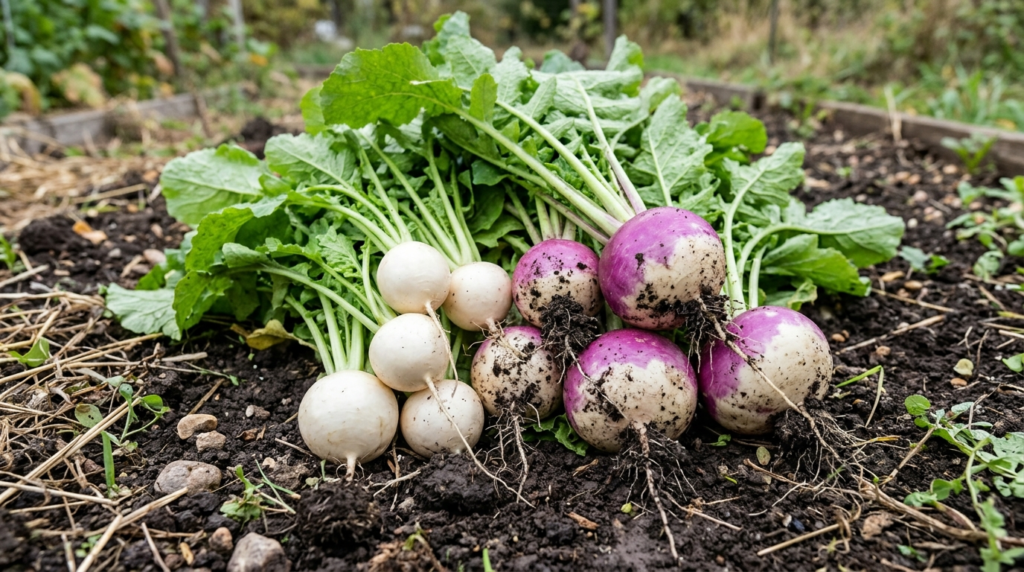
Turnips are one of the most practical cool-season crops you can grow because you get two harvests from one plant. The swollen root is mildly sweet and stores well through winter, while the leafy tops can be eaten like mustard greens or spinach.
Varieties to look for:
- Purple Top White Globe: medium roots with purple shoulders and reliable cool-weather performance.
- Hakurei: a Japanese variety with small, smooth, ivory-white roots and a sweeter, more delicate flavour.
Maturity is 35 to 60 days, depending on whether you pick young or fully grown roots.
Pro Tip: Harvest some greens early while the roots are still developing. Take only a few leaves per plant so the root keeps growing.
10. Cabbage
Cabbage is the surprise on this list because of how much cold it can handle. Well-chosen varieties planted in late October and given time to establish before the deepest cold can survive winter, keep developing slowly, and produce dense, flavourful heads in late winter or early spring, when almost nothing else is ready.
Varieties to look for:
- January King: a heritage variety with blue-green outer leaves that turn red and purple after frost, producing very dense, sweet heads with outstanding cold tolerance.
- Savoy types: crinkled, tender leaves with a delicate flavour and excellent cooking quality, though slightly less cold hardy.
Maturity ranges from 80 to 120 days depending on variety and winter conditions.
Pro Tip: Cabbage is a patience crop. Plant it in a spot you will not need for other crops until spring, and let it work quietly in the background.
Which Vegetables Are Best for Your Situation?
| Your Goal | Best Choices |
|---|---|
| Fastest harvest | Mustard greens, spinach, turnips, bok choy |
| Longest harvest window | Swiss chard, kale, spinach |
| Biggest spring reward | Cabbage, peas (mild winters), broccoli |
| Small space or containers | Lettuce, bok choy, spinach, mustard greens |
| Two crops from one plant | Turnips (roots and greens), broccoli (head and side shoots) |
Late October Planting Checklist
- [ ] Clear weeds and old crop residue from empty beds
- [ ] Loosen the soil and mix in compost
- [ ] Choose cold-hardy varieties (check the variety name, not just the vegetable)
- [ ] Buy broccoli transplants instead of starting from seed
- [ ] Sow spinach, mustard greens, turnips and lettuce directly
- [ ] Plant lettuce near a wall or fence for wind protection
- [ ] Check your local winter lows before sowing peas
- [ ] Water gently after planting and keep soil lightly moist
- [ ] Mulch beds lightly to protect roots from temperature swings
- [ ] Plan a second sowing in 1 to 2 weeks for fast crops
If you are planning a summer garden next, our guide on [7 Tomato Growing Mistakes That Cut Your Harvest in Half] will help you avoid the most common problems before they start.
Frequently Asked Questions
Is it too late to plant vegetables in late October?
No. Many cool-season crops do better when planted now than in midsummer. Spinach, kale, mustard greens and turnips are all well suited to late October sowing.
Which vegetable grows fastest in cold weather?
Mustard greens are the fastest on this list, with baby leaves ready in as few as 21 days. Spinach and turnips are close behind.
Can lettuce really survive winter?
Yes, but only the right varieties. Winter Density and Arctic King are bred for cold conditions and handle frost far better than standard lettuce.
Should I grow broccoli from seed or transplants in October?
Transplants. Broccoli needs a longer growing period than most crops here, and plants that are already 4 to 6 weeks old give you a much better chance of a full head.
Do I need a greenhouse or cover for these vegetables?
Not for most of them. Spinach, kale, mustard greens, turnips and cabbage handle cold on their own. A light cover can help lettuce and bok choy in harsher areas.
Can I plant peas in October anywhere?
Only where winters are mild and temperatures rarely fall below minus 5 degrees Celsius. In colder regions, sow peas in late winter instead.
Watch the Full Video
Prefer to watch instead of read? We covered all ten vegetables in a video with variety tips and planting advice.
Keep Learning With Smart Farm Insights
This guide is part of our growing library of practical farming and gardening resources at SmartFarmInsights.com. We publish step-by-step guides on growing better crops, solving common garden problems and getting more from every season. Browse our latest articles, and subscribe to our YouTube channel and social pages so you never miss a new guide.
Plant any of these in the next two weeks and your winter garden will look completely different from everyone else’s.
#lateOctoberplanting #wintervegetablegarden #coldhardyvegetables #fallgardening #smartfarminsights