
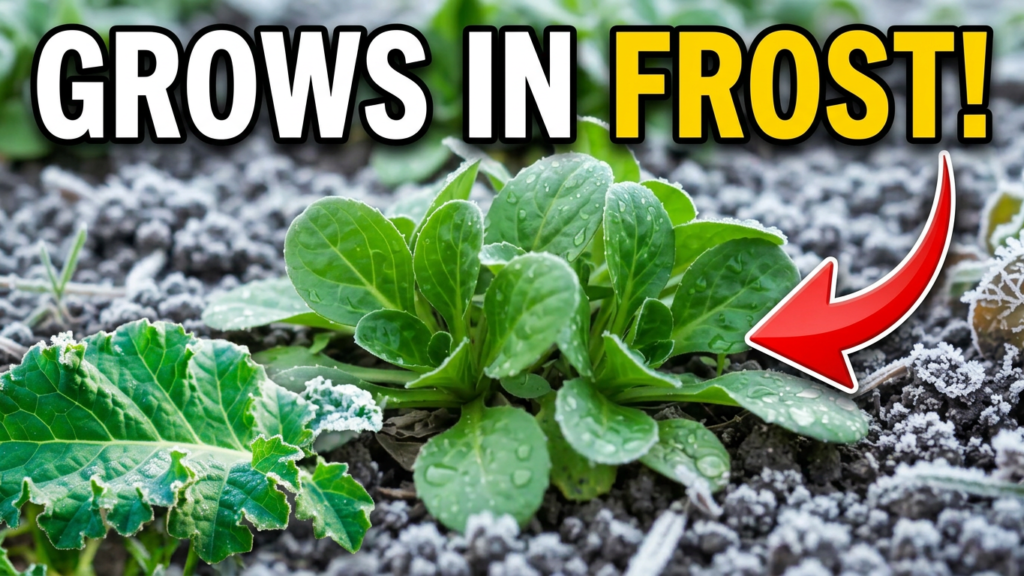
If frost is hitting your garden, your harvest is not over. Cold weather actually works in your favor more than most people realize. When temperatures drop, plants respond by converting some of their stored starches into natural sugars, almost like a built in antifreeze. That is why so many winter greens taste noticeably sweeter and more flavorful than anything grown in the heat of summer.
Below are five cold hardy vegetables you can harvest in under 40 days, whether you are growing in raised beds, straight in the ground, or small patio containers. Each one includes specific guidance for both setups, since the two environments behave very differently once the temperature drops.
Quick Reference Table
| Crop | Variety | Days to Harvest | Cold Tolerance |
|---|---|---|---|
| Radishes | French Breakfast | 25-30 days | Excellent |
| Spinach | Bloomsdale Long Standing | 30-35 days | Excellent, survives light snow |
| Arugula | Wild Arugula (Rocket) | 25-35 days | Very good |
| Kale | Dwarf Siberian | 30 days (baby greens) | Excellent, bounces back after snow |
| Corn Salad | Mâche | 40 days | Best of the five, survives hard freezes |
The One Rule to Know Before You Plant
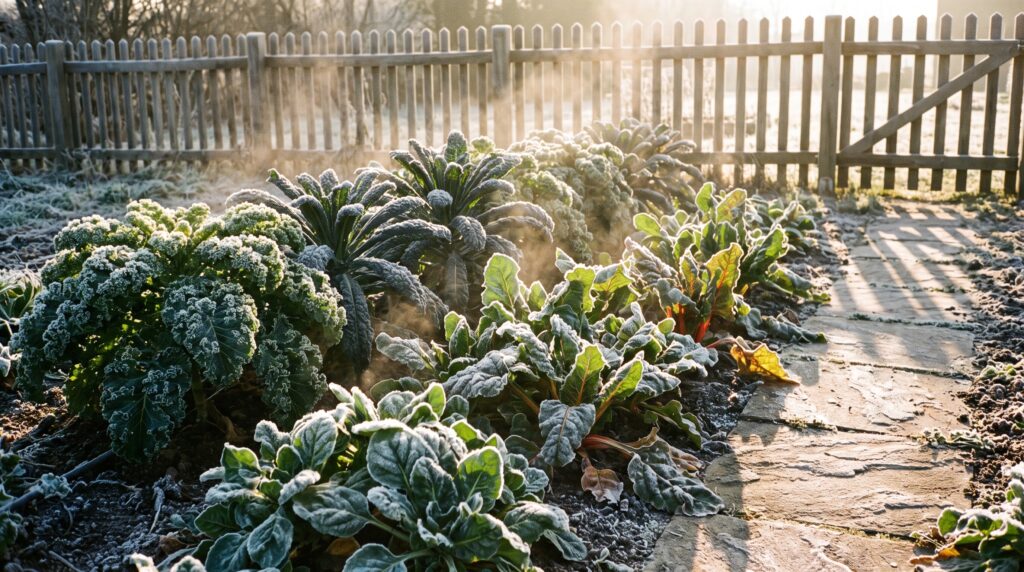
In raised beds or straight in the ground, soil holds heat far longer than most people expect, and that thermal mass acts like a buffer, protecting plant roots even during a deep freeze. In containers, the story is very different. There is much less soil surrounding the roots, which means that same soil freezes far faster, sometimes within hours of a hard frost hitting.
If you are growing in pots this winter, two things matter most. First, keep your containers close to a warm wall, ideally one that faces south and absorbs heat during the day. Second, stick to shallow rooted, fast growing varieties that do not need much depth to thrive, since a deep rooted crop in a shallow, quickly freezing pot is setting itself up to struggle.
1. French Breakfast Radishes
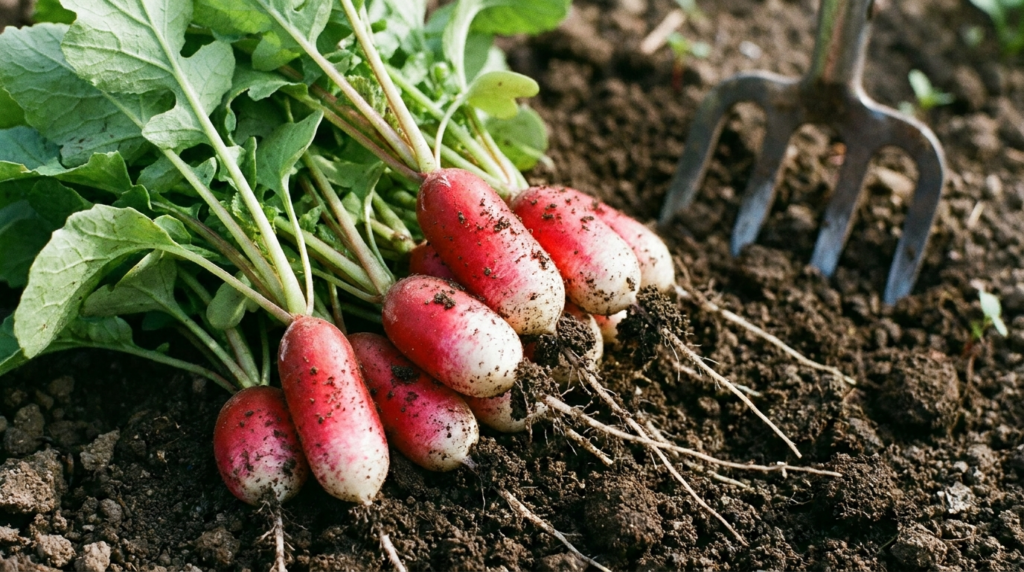
French Breakfast radishes are the fastest harvest on this entire list, ready in just 25 to 30 days. Radishes genuinely love cool autumn weather, and unlike in the heat of summer, they will not bolt or turn woody nearly as quickly.
In containers: Six inches of soil depth is more than enough, which makes radishes a perfect fit for something as small as a window box.
In beds: Plant them in the gaps between your other rows, since they grow so fast they will often be ready to pull before your slower crops even need that extra space.
Pro tip: Radishes are one of the most efficient crops you can grow this time of year, giving you a real harvest without taking up dedicated garden real estate.
2. Winter Spinach
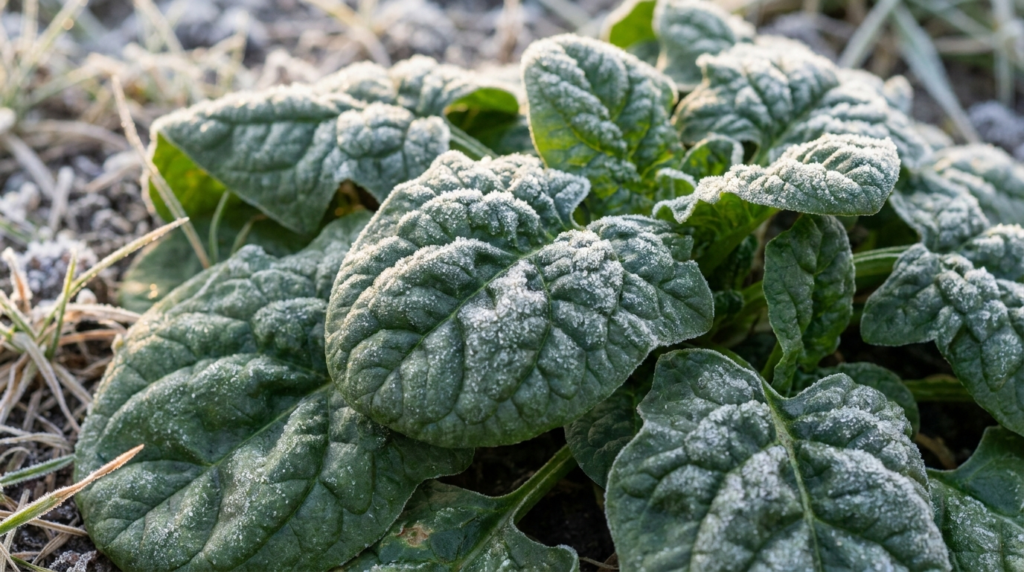
Bloomsdale Long Standing spinach is one of the most cold resistant crops you can plant anywhere in a fall or winter garden, ready in about 30 to 35 days.
In containers: Use the cut and come again method, snipping the outer leaves as you need them so the plant keeps regenerating new growth from the center.
In beds: Spinach is tough enough to survive comfortably under a light layer of snow with no extra protection at all.
Pro tip: The flavor becomes noticeably sweeter once the first frost hits, thanks to the same starch-to-sugar conversion that makes most winter greens taste better than their summer counterparts.
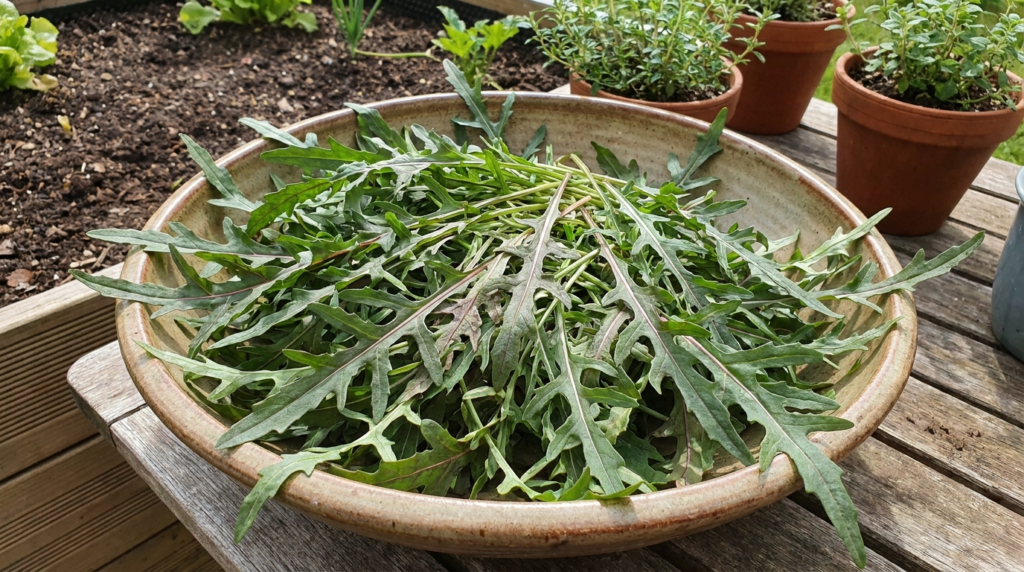
3. Wild Arugula (Rocket)
Wild arugula is ready in 25 to 35 days, and cool weather works to its advantage, preventing it from turning bitter and bolting the way it tends to in warmer conditions.
In containers: Its shallow root system does well in wide, shallow bowls placed out on a patio or balcony.
In beds: Arugula works almost like a living ground cover, filling in open space quickly and crowding out most weeds in the process.
Pro tip: You end up with crisper, more peppery greens in under a month than anything grown in summer heat, since the cold slows the plant down just enough to concentrate the flavor.
4. Dwarf Siberian Kale
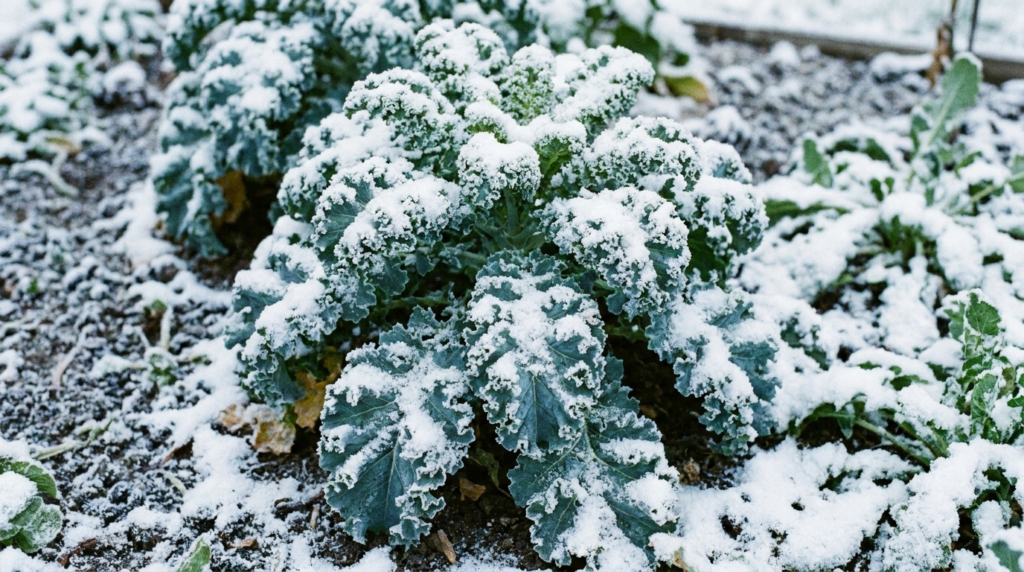
A fully mature dwarf Siberian kale plant typically takes around 50 days, but if you plant the seeds densely, you can start picking tender baby greens at just 30 days instead of waiting for full maturity. This variety is practically bulletproof against freezing weather.
In containers: Plant two to three seedlings per three gallon pot to make the most of the limited space.
In beds: You can leave it in the ground all winter long, and it will bounce back and keep producing fresh growth even after the snow melts away in early spring.
Pro tip: This is one of the most forgiving crops on this list for beginners, since it tolerates mistakes in watering and spacing far better than most winter greens.
5. Mâche (Corn Salad)
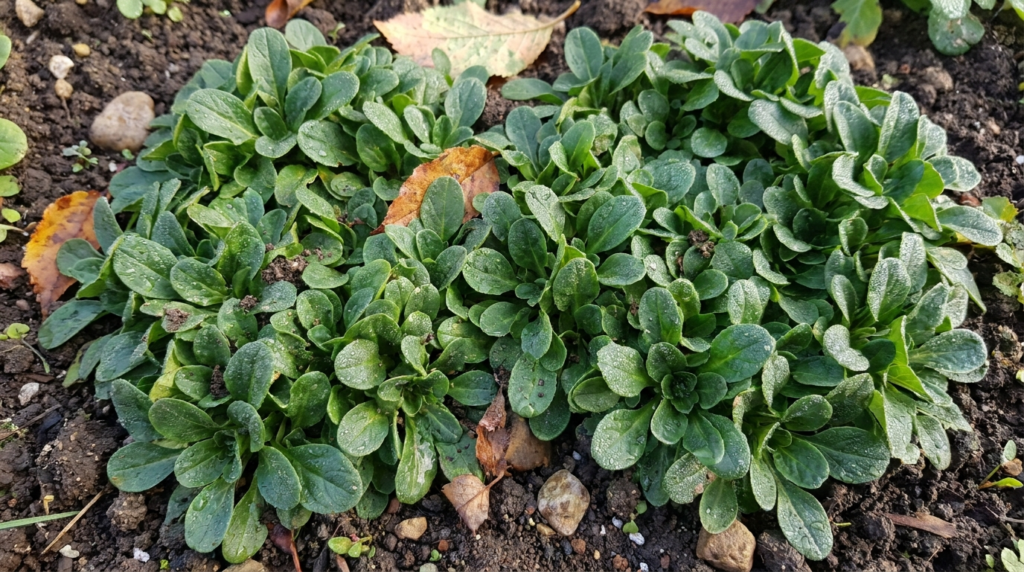
If your area tends to get hard, sustained freezes, mâche might be the single toughest winter salad green you can grow, ready in about 40 days. It stays green, fresh, and tender even when temperatures drop well below freezing for extended periods.
In containers: It holds a tight, compact rosette shape that fits comfortably in a standard sized pot without sprawling.
In beds: Tuck it along the edges of your garden, and it will need almost zero pest management once the cold weather sets in, since most pests simply cannot tolerate the same conditions mâche thrives in.
Pro tip: Mâche is often overlooked by beginner gardeners, but it is one of the few crops that genuinely performs better the colder it gets, making it a reliable anchor for any winter harvest plan.
Comparing These Five Crops
| Crop | Fastest Harvest | Best for Shallow Containers | Survives Snow Cover |
|---|---|---|---|
| Radishes | Yes (25-30 days) | Yes | Moderate |
| Spinach | No | Yes | Yes |
| Arugula | No | Yes | Moderate |
| Dwarf Siberian Kale | No | Yes | Yes |
| Mâche | No | Yes | Yes, best of the five |
Frost Protection: Two Simple Techniques
To squeeze a few extra weeks of harvest out of any of these five crops, there are a couple of simple things you can do that make a real difference.
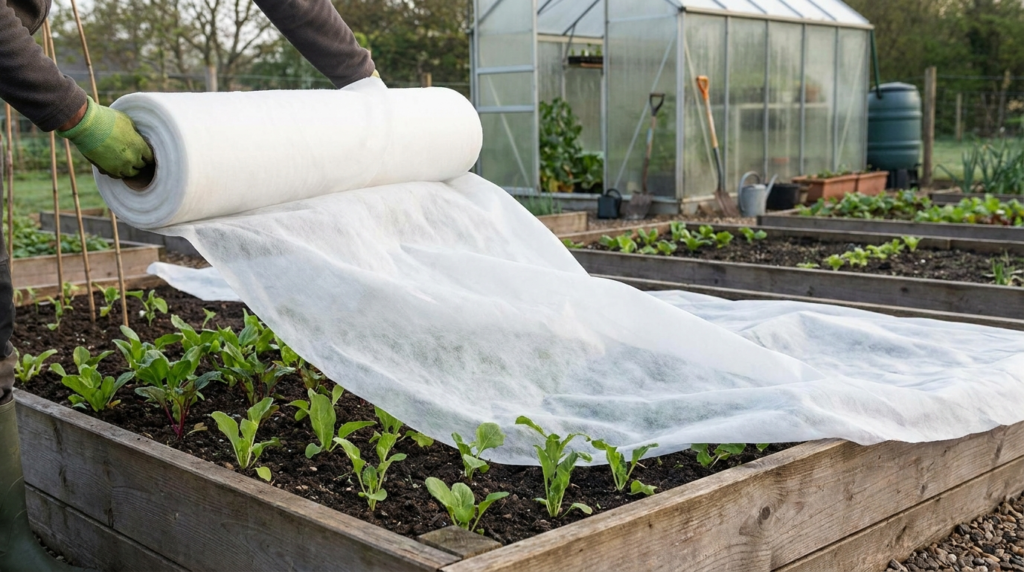
For beds: Lay down a lightweight horticultural fleece or a couple of inches of dry straw mulch directly over the plants before a hard freeze moves in. This traps just enough warmth at the soil level to protect the roots and extend your growing window significantly.
For containers: Pull your pots against the south facing side of your house, where they will pick up extra warmth from the building itself throughout the day, or tuck them onto a covered porch on the coldest nights to shield them from direct exposure. Even something as simple as grouping several pots close together can help, since they end up sharing a bit of warmth and wind protection between each other.
Fall and Winter Planting Checklist
- [ ] Choose which crops fit your setup: containers need shallow-rooted varieties, beds can handle deeper roots
- [ ] Plant French Breakfast radishes between rows of slower-growing crops to use garden space efficiently
- [ ] Sow spinach and arugula for the fastest, most cold-tolerant leafy greens
- [ ] Plant dwarf Siberian kale densely if you want baby greens in 30 days instead of waiting for full maturity
- [ ] Tuck mâche along garden bed edges for a low-maintenance, hard-freeze-resistant crop
- [ ] Keep containers near a south-facing wall or covered porch once temperatures start dropping
- [ ] Lay down horticultural fleece or straw mulch over beds before the first hard freeze
- [ ] Group containers together on the coldest nights for shared warmth and wind protection
- [ ] Harvest outer leaves continuously on spinach, arugula, and kale to keep plants producing longer
Frequently Asked Questions
Can these vegetables really survive a hard freeze? Yes, all five crops on this list are selected specifically for cold tolerance. Spinach, dwarf Siberian kale, and mâche are the most resilient, often surviving under snow with no extra protection, while radishes and arugula do best with light frost protection during the harshest nights.
Do I need grow lights for winter container gardening? Not for these five crops. They are all adapted to shorter daylight hours and cooler temperatures, so natural daylight is enough as long as the containers get at least a few hours of direct sun.
What is the biggest difference between growing these in beds versus containers? Soil temperature. Beds and the ground hold heat much longer due to greater soil mass, while containers freeze far faster since there is less soil surrounding the roots. This is why container plants need extra protection that in-ground plants often do not.
Will frost damage the flavor of these vegetables? No, the opposite is true. Light frost triggers a natural process where plants convert starches into sugars, which actually improves the flavor of spinach, kale, and several other crops on this list.
How often should I water winter vegetables? Winter crops need far less water than summer vegetables since evaporation slows down significantly in cold weather. Check soil moisture every few days rather than daily, and water only when the top inch of soil feels dry.
Can I start these crops this late in the season? Yes, since all five crops on this list mature in under 40 days, most gardeners can still get a full harvest before the coldest part of winter sets in, depending on your local frost dates and growing zone.
Related Articles
If you are building out your fall and winter growing plans, you might also want to check out:
- 10 Container Vegetables to Plant This October
- 5 Fast-Growing Fall Vegetables (Ready in 30-45 Days)
- 7 Tomato Growing Mistakes That Cut Your Harvest in Half
Want More Practical Growing Guides?
For more step-by-step growing guides, seasonal planting tips, and in-depth articles built for real gardeners, not just theory, visit SmartFarmInsights.com. New content is added regularly to help you get more out of every planting season, no matter how cold it gets.
SEO Tags: winter vegetable garden, frost hardy vegetables, cold tolerant crops, winter container gardening, growing vegetables in frost, how to grow winter spinach, growing radishes in winter, growing arugula in cold weather, dwarf Siberian kale, growing mache, frost protection for gardens, raised bed winter gardening, cool season vegetables, fast growing winter crops