
Introduction
You planted your tomatoes with so much hope. You watered them. You waited. And then disappointing harvests. Small fruits. Yellow leaves. Rotten bottoms. What went wrong?
Most gardeners make the same critical mistakes season after season, not because they are careless, but because nobody ever told them what really matters. In this guide, we break down the 7 most common tomato growing mistakes that silently destroy your harvest, and exactly how to fix each one.
Pay close attention to mistake number 6 it is one that almost every gardener getscompletely wrong, and it is costing them hundreds of tomatoes every single season.
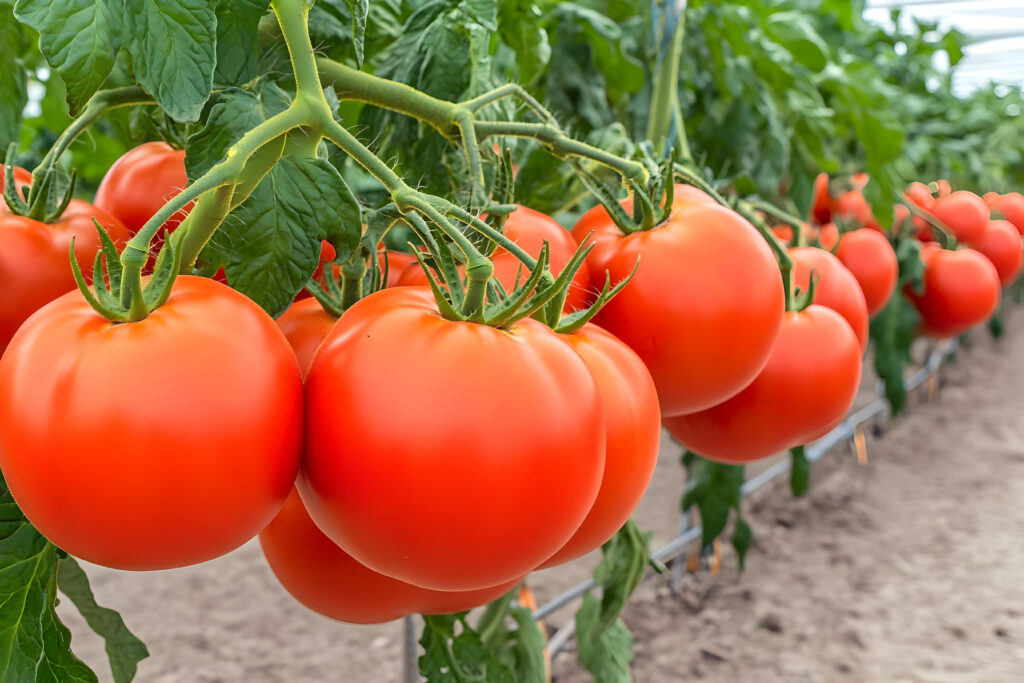
The scene evokes feelings of freshness and abundance, highlighting the natural process of growing food.
Quick Reference: Tomato Growing Mistakes at a Glance
| # | Mistake | Main Consequence | Quick Fix |
| 1 | Planting too shallow | Weak root system, low yield | Bury stem 2/3 deep |
| 2 | Overwatering | Root rot, cracked fruits | Water deeply 1-2x per week |
| 3 | Not pruning suckers | Energy loss, disease risk | Pinch suckers when small |
| 4 | Not enough sunlight | Fewer flowers, weak growth | Minimum 6-8 hours daily |
| 5 | Too much nitrogen | Lots of leaves, no fruits | Switch to phosphorus at flowering |
| 6 | Ignoring calcium deficiency | Blossom end rot | Consistent watering + add lime |
| 7 | Harvesting too late | Pests, cracking, less production | Harvest when fully colored |
Mistake 1 : Planting Tomatoes Too Shallow
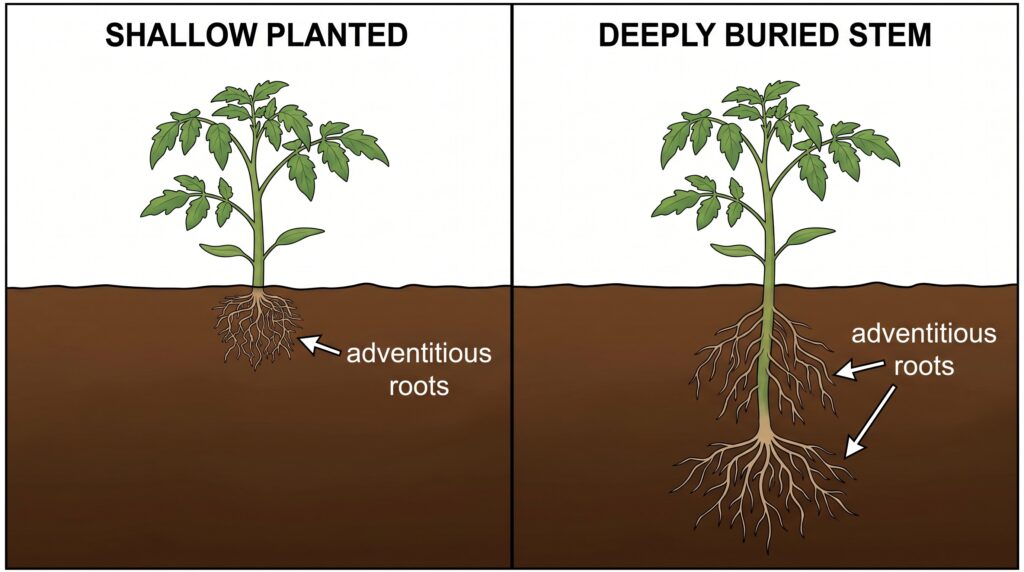
The very first mistake and one of the most damaging is planting your tomatoes too shallow. Most beginners dig a small hole, drop in the root ball, cover it up, and call it done.
But here is what they do not know. Tomatoes are one of the very few plants in the world that can grow roots all along their buried stem. Every single part of the stem that is underground has the ability to develop into a strong root.
This means the deeper you plant your tomato, the larger the root system it develops. A larger root system means the plant can absorb more water, more nutrients, and anchor itself more strongly against wind and weather. The result? Stronger plants, healthier growth, and significantly higher yields.
The Fix: When you plant your tomatoes, bury them deep. Remove the lower leaves and bury the stem up to two thirds of the plant underground. This one change alone can dramatically improve your harvest.
Pro Tip: For a very leggy tomato seedling, you can even plant it sideways in a trench, the stem will naturally turn upward and the entire buried portion will develop roots.
Mistake 2 : Overwatering
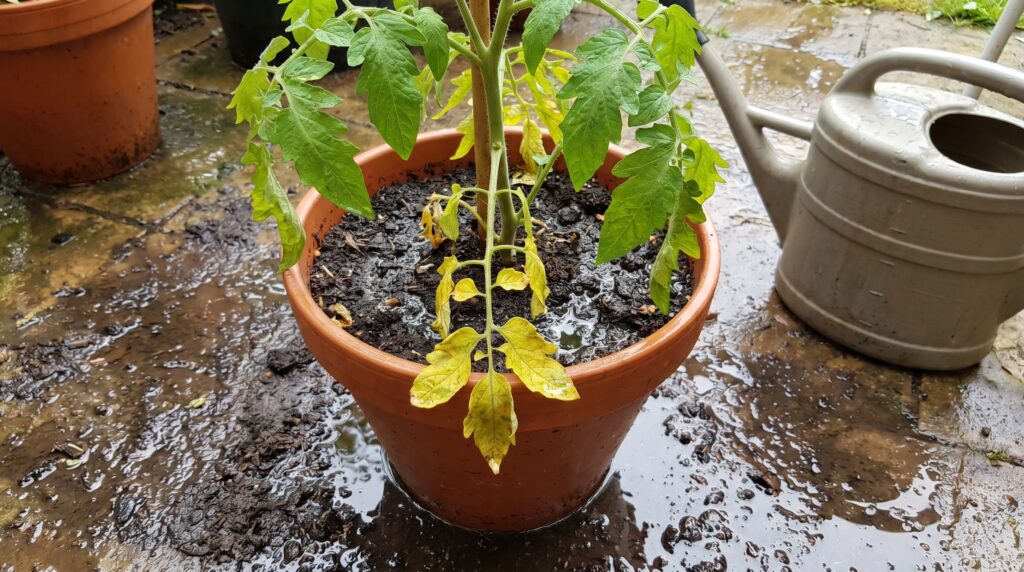
More water equals more tomatoes, right? Wrong. Overwatering is one of the leading causes of tomato failure in home gardens. When you water too frequently or too heavily, the soil stays wet for too long. The roots sit in waterlogged soil and begin to rot.
Signs of overwatering:
- Yellow leaves
- Wilting plants even when the soil is wet
- Cracked or split fruits
- Poor flavor
- In serious cases — complete plant collapse
The Fix: Tomatoes prefer deep, infrequent watering. Water deeply once or twice a week depending on your climate and soil type. Allow the top few centimeters of soil to dry out between waterings. This encourages the roots to grow deeper into the soil searching for moisture, making your plants stronger and more drought resistant over time.
Pro Tip: Push your finger 5cm into the soil. If it still feels moist, wait one more day before watering. If it is dry, it is time to water deeply.
Mistake 3 : Never Pruning Suckers.
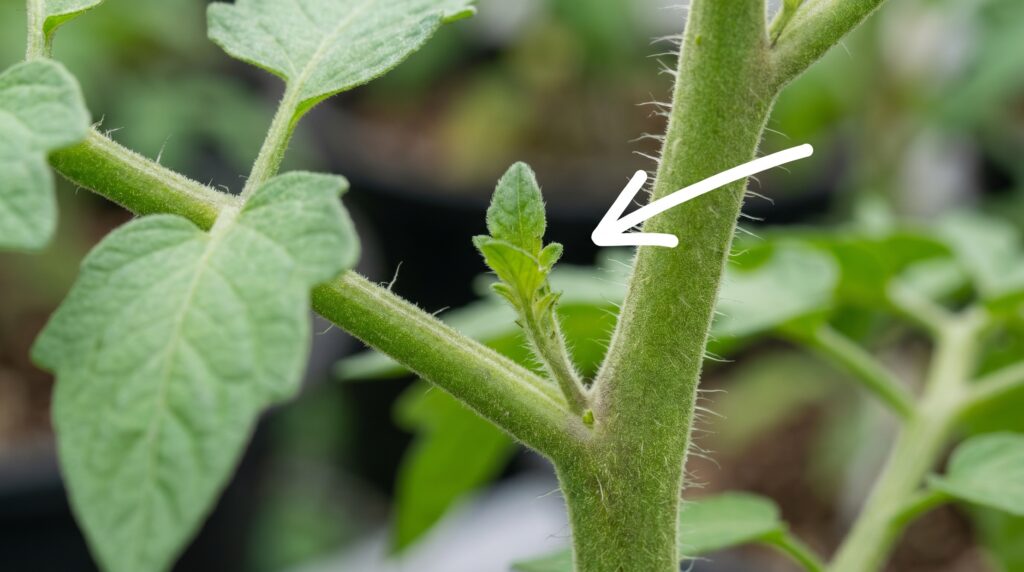
Suckers are the small shoots that grow in the V-shaped junction between the main stem and a branch of your tomato plant. If left unchecked, suckers grow into full branches. And those branches grow more suckers. And suddenly your one tomato plant has turned into a massive, jungle-like bush.
This sounds productive. But it is the opposite. When a tomato plant has too many stems and leaves, energy that should go into producing
fruits is instead used to feed all that extra foliage. Airflow through the plant is also reduced,
creating the warm, humid conditions that fungal diseases and pests love
The Fix: Prune your suckers regularly, especially on indeterminate tomato varieties. Simply pinch them off with your fingers when they are small, ideally less than two centimeters long. This keeps your plant focused, productive, and healthy.
Pro Tip: Determinate (bush) varieties need less aggressive pruning than indeterminate (vining) varieties. Know your tomato type before pruning
Mistake 4 : Not Giving Enough Sunlight
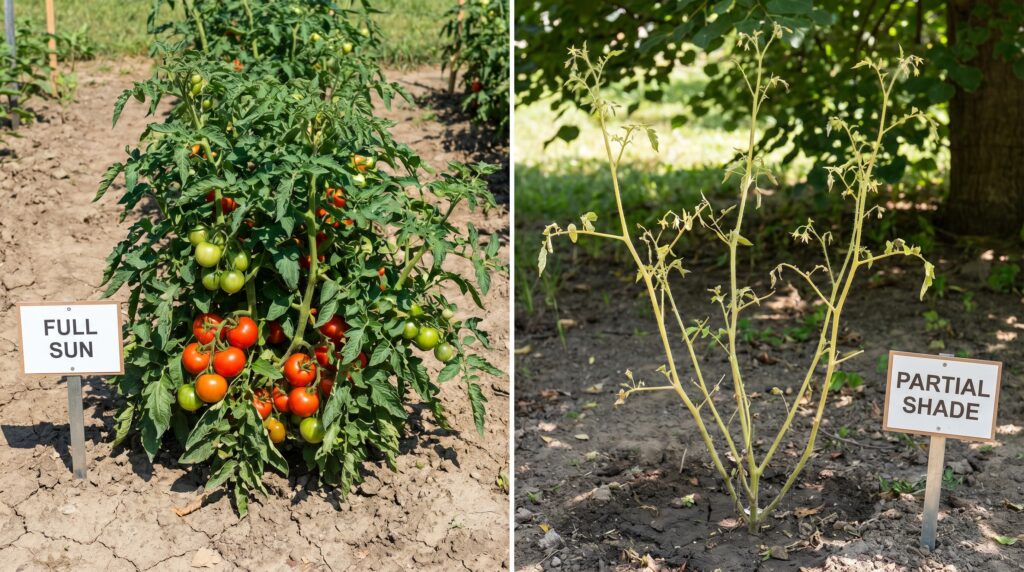
Tomatoes are sun-loving plants. They need a minimum of six to eight hours of direct sunlight every single day.
Many gardeners plant their tomatoes in spots that receive partial shade, perhaps near a fence or under a tree, thinking it will be enough. It is not.
Signs of insufficient sunlight:
- Fewer flowers and fruits
- Tall, leggy, weak plants stretching toward the light
- Small, pale fruits with poor flavor
- Slow overall growth
The Fix: Before you plant, observe your garden throughout the day. Choose the spot that receives the most direct sun from morning to afternoon. If your garden has limited sunlight,
consider growing tomatoes in containers that you can move to follow the sun.
Pro Tip: South-facing garden beds (in the northern hemisphere) receive the most consistent sunlight throughout the entire growing day.
Mistake 5 : Using Too Much Nitrogen Fertilize
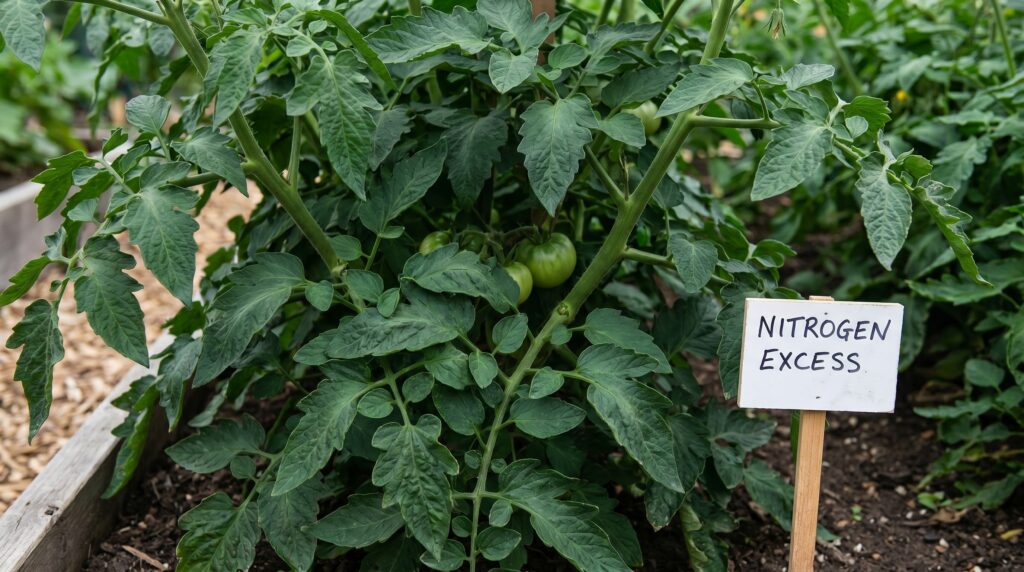
This is a mistake that produces beautiful-looking plants and deeply disappointing harvests. When you give tomatoes too much nitrogen, especially during the flowering and fruiting
stage, the plant responds by producing lush, dark green, beautiful foliage.
The plant looks incredible. But it is barely producing any tomatoes. This is because nitrogen encourages vegetative growth leaves and stems. What tomatoes
need during fruiting is phosphorus and potassium, not excessive nitrogen.
The Fix: Use a balanced fertilizer during the early growth stage. Then switch to a low nitrogen, high-phosphorus fertilizer once your plant begins to flower. This signals to the plant that it is time to stop growing leaves and start producing fruits.
Fertilizer guide for tomatoes:
| Growth Stage | What to Use | NPK Ratio Example |
| Seedling | Balanced | 10-10-10 |
| Early vegetative | Balanced | 10-10-10 |
| Pre-flowering | Reduce nitrogen | 5-10-10 |
| Flowering And Fruiting | High phosphorus | 5-15-15 |
Mistake 6 : Ignoring Calcium Deficiency
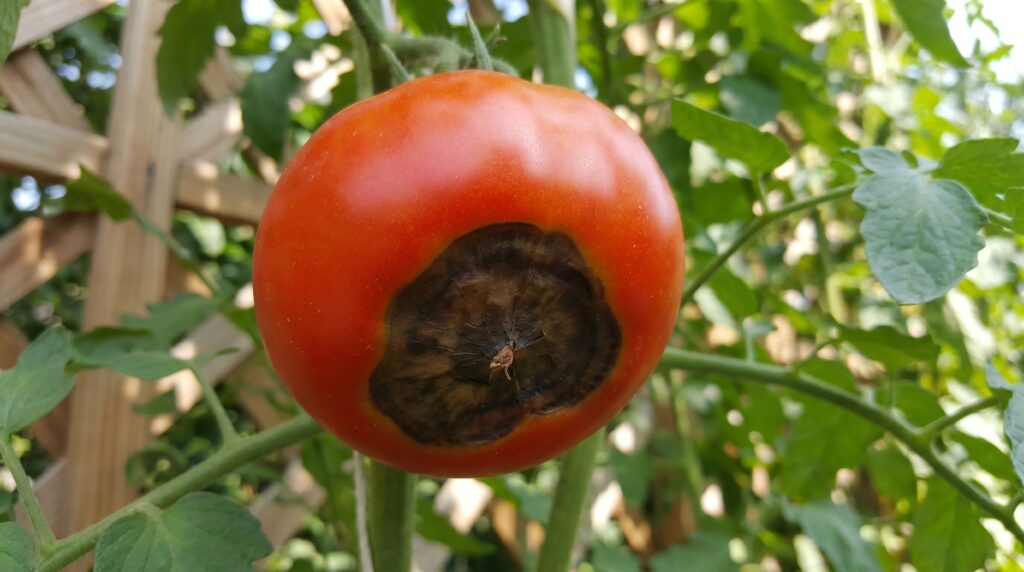
This is one of the most misunderstood problems in tomato growing and the one that surprises almost every gardener the first time they see it. It shows up as blossom end rot, a condition where the bottom of the tomato fruit turns dark brown or black and becomes sunken and rotten.
Many gardeners immediately think it is a disease. They spray their plants with fungicides. They remove the affected fruits and wait. And the problem keeps coming back. Because it is not a disease at all.
Blossom end rot is caused by a calcium deficiency inside the fruit, combined with irregular watering. Here is how it works. Calcium moves through the plant with water. When watering is irregular, sometimes too much and sometimes too little, the plant cannot transport calcium efficiently to the developing fruits. The result is blossom end rot.
The Fix has two parts:
Part 1 : Water consistently. Regular, deep watering removes the fluctuation that triggers the problem.
Part 2 : Ensure your soil has adequate calcium. You can add agricultural lime or crushed eggshells to your soil before planting. Some gardeners also apply a foliar calcium spray
directly to the leaves and developing fruits during the growing season. Once you understand the cause, this problem becomes completely preventable
Pro Tip: A simple way to add calcium naturally is to save your eggshells, dry them, crush them into a powder, and mix them into the soil around your tomato plants at the beginning of the season.
If you already notice bugs damaging your plants, check out these 5 natural homemade pesticides to eliminate them safely.
Mistake 7 — Harvesting Too Late
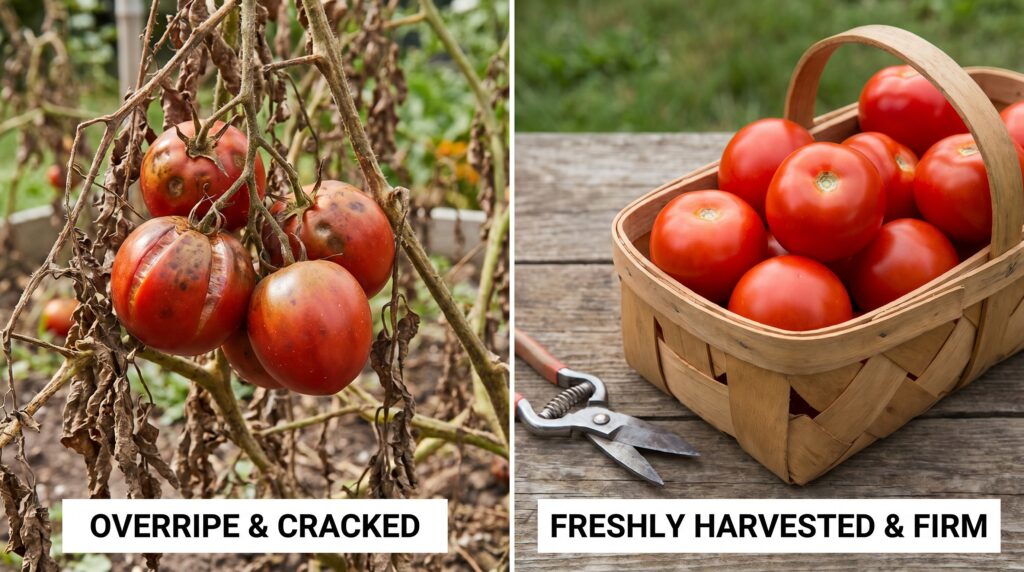
Many gardeners believe that leaving tomatoes on the vine longer makes them taste better. Sometimes this is true. But leaving tomatoes on the vine for too long creates several serious
problems.
Problems caused by late harvesting:
- Overripe tomatoes attract insects and pests
- Fruits crack and split, especially after rain
- The plant slows down its production of new flowers and fruits
- Reduced overall season yield
Regular harvesting does the opposite. It tells the plant to keep producing. A plant that is regularly harvested will continue to set new flowers and develop new fruits throughout the
entire growing season.
The Fix: Harvest your tomatoes as soon as they are fully colored and slightly soft to the touch. They will continue to ripen perfectly at room temperature after picking.
Pro Tip: If frost is coming and you still have green tomatoes on the vine, pick them all. Green tomatoes ripen beautifully indoors at room temperature and are far better than leaving them to freeze.
Complete Tomato Growing Checklist
Use this checklist every season to make sure you avoid all 7 mistakes:
Before Planting
- Choose a location with at least 6-8 hours of direct sunlight daily
- Prepare soil with compost and agricultural lime for calcium
- Choose the right tomato variety for your climate (determinate vs indeterminate)
At Planting Time
- Bury the stem at least two thirds deep to maximize root development
- Remove lower leaves before planting
- Space plants 60-90cm apart for good airflow
During the Growing Season
- Water deeply 1-2 times per week, avoid daily shallow watering
- Check soil moisture before every watering (finger test)
- Prune suckers every 7-10 days on indeterminate varieties
- Switch fertilizer from balanced to high-phosphorus at first flower
- Monitor fruits for early signs of blossom end rot
- Apply calcium spray if blossom end rot appears
At Harvest Time
- Harvest when fruit is fully colored and slightly soft
- Harvest regularly to encourage continued fruit production
- Store harvested tomatoes at room temperature never in the fridge
Watch the Full Video Guide
7 Tomato Growing Mistakes That Kill Your Harvest.
If you prefer to watch and learn, we have covered all 7 of these mistakes in full detail in our YouTube video. Click the video above or visit our Agriculture YouTube channel where we publish short daily gardening tips and in-depth growing guides every week.
Discover More at Smart Farm Insights
If this guide helped you grow better tomatoes you will love what we have waiting for you here on SmartFarmInsights.com
We are building one of the most practical agriculture and gardening resource hubs on the internet, written by real growers, backed by data, and designed for people who want results, not just information.
On this website you will find in-depth articles on crop growing, soil management, fertilizer recipes, irrigation systems, and modern farming technology all completely free. We also have our YouTube channel with over 600,000 subscribers where we publish short daily gardening tips alongside our Smart Farm Insights documentary series covering industrial agriculture from around the world.
Bookmark this website, subscribe to our newsletter below, and never miss a new guide.
Your best harvest is still ahead of you.
Frequently Asked Questions
Q: How deep should I plant my tomatoes? A: Remove the lower leaves and bury the stem so that only the top one third of the plant is above soil level. The buried stem will develop
into roots.
Q: How often should I water tomatoes? A: Water deeply once or twice per week. Allow the top 5cm of soil to dry out between waterings. Avoid daily shallow watering which
encourages shallow roots.
Q: What causes blossom end rot on tomatoes? A: Blossom end rot is caused by calcium deficiency in the developing fruit, triggered by inconsistent watering. It is not a disease it cannot be cured with fungicide. Fix it by watering consistently and adding calcium to your
soil.
Q: Should I prune all the suckers off my tomato plants? A: On indeterminate (vining) varieties, yes — regular sucker pruning improves airflow and redirects energy into fruit production. On determinate (bush) varieties, minimal pruning is needed.
Q: When should I harvest tomatoes? A: Harvest when the fruit is fully colored for its variety and feels slightly soft when you gently squeeze it. Tomatoes continue to ripen perfectly at room temperature after picking.
Published on SmartFarmInsights.com Your trusted source for modern agriculture
knowledge.
Tags: tomato growing, gardening mistakes, tomato care, blossom end rot, how to grow
tomatoes, organic gardening, home garden tip