
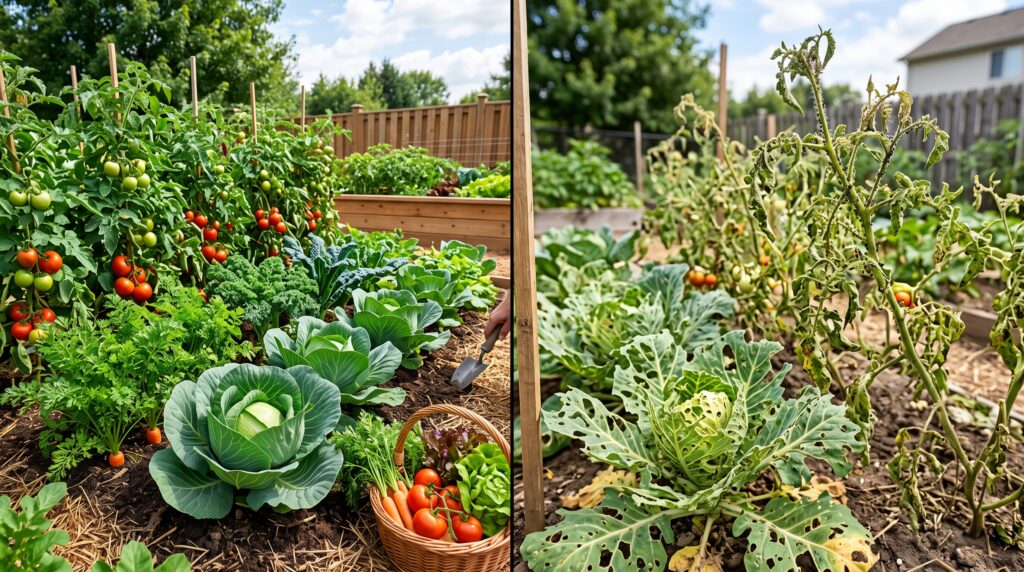
Every gardener knows the feeling: you walk outside full of hope and find cabbage leaves riddled with holes, tomatoes covered in aphids, and peppers wilting from pests you can’t even see. The instinct is to rush to the store for chemical pesticides – but these products are often expensive, harsh on your soil, and inconsistent in their results.
The good news is that some of the most effective pest-control solutions used by organic farmers around the world are already sitting in your kitchen. Below are five natural pesticide formulas, made from simple household ingredients, that can eliminate common garden pests without chemicals – including a final “complete protection” recipe that combines the power of all the others into one formula.
1. White Vinegar Spray for Soft-Bodied Insects
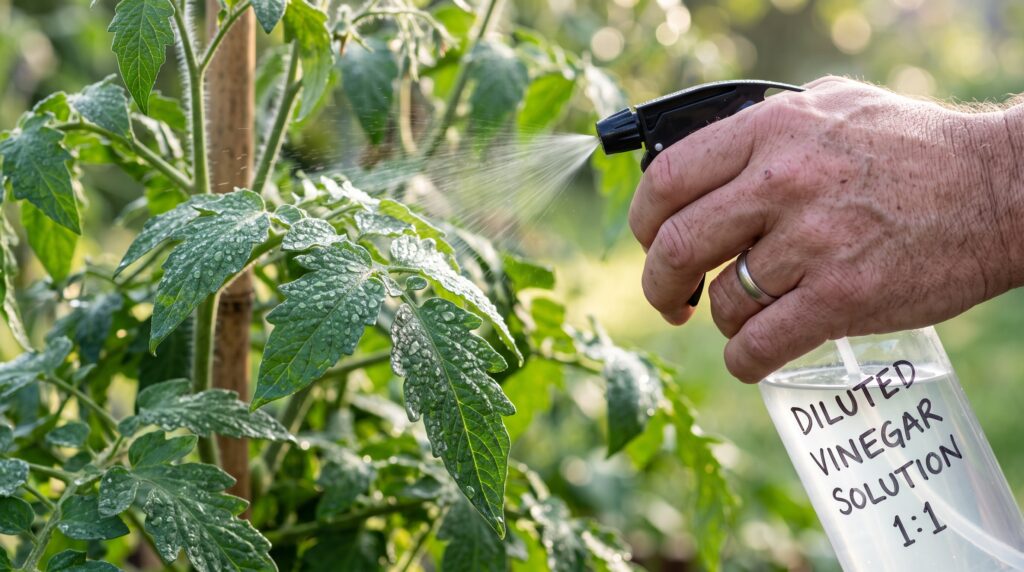
White vinegar is one of the simplest and most accessible natural pesticides. It contains acetic acid, a compound that disrupts the cell structure of soft-bodied insects on contact, making it especially effective against aphids, whiteflies, spider mites, and mealybugs.
A common mistake is using vinegar at full strength, which can burn plant leaves as easily as it kills pests. Proper dilution is key.
How to make it:
- Mix 15 ml of white vinegar with 30 liters of water (or 1 teaspoon per liter for smaller batches)
- Pour into a spray bottle
How to use it:
- Spray directly onto leaves, stems, and the undersides of leaves where insects hide
- Apply in the early morning before the sun gets strong
- Use every two weeks for prevention, or every 3-4 days during an active infestation
2. Baking Soda and Beer Formula for Fungal Disease and Pests
Baking soda (sodium bicarbonate) works differently than vinegar. Rather than attacking insects directly, it alters the surface of leaves so that fungal diseases and pest eggs struggle to establish themselves. It’s especially effective against powdery mildew, the white, dusty coating that commonly damages cucumbers, squash, and tomatoes.
How to make it:
- Mix 10 g of baking soda with 25 ml of beer and 15 ml of white vinegar into 30 liters of water
The beer isn’t just filler – the yeast and natural compounds help the baking soda stick to leaf surfaces longer, boosting effectiveness compared to using baking soda alone.
How to use it:
- Spray once every two weeks
- Fungal problems typically fade within 1-2 weeks of consistent use, while soft-bodied insects begin declining almost immediately

3. Garlic Spray to Repel Aphids and Caterpillars
Garlic contains allicin, one of the most powerful natural insect repellents used in agriculture. Organic farmers rely on concentrated garlic extract to protect valuable crops, and the same principle works easily at home.
How to make it:
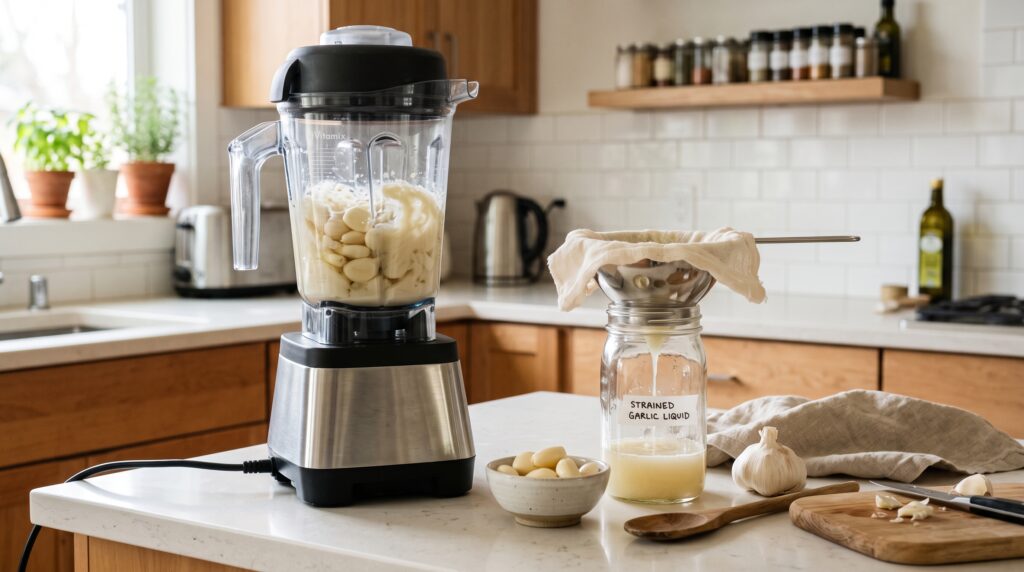
- Blend 8-10 garlic cloves with 500 ml of water until smooth
- Strain thoroughly through a cloth to remove solid particles
- Add the strained liquid to 10 liters of water and mix well
How to use it:
- Spray every 5-7 days
- The sulfur compounds released by garlic repel aphids, caterpillars, beetles, and certain worms
Tip: Straining the mixture carefully is essential, leftover particles can clog your spray bottle nozzle.
4. Chili Pepper Spray for Caterpillars and Beetles
Chili peppers contain capsaicin, the same compound responsible for the burning sensation in spicy food. For pests like caterpillars, beetles, and ants, capsaicin creates an unbearable irritation on contact, making it one of the most effective repellents for larger insects that resist milder treatments.
How to make it:
- Boil 10-15 fresh chili peppers (or 2 tablespoons of dried chili flakes) in 1 liter of water for 15 minutes
- Let the mixture cool completely
- Strain carefully and add to 10 liters of water
How to use it:
- Spray every 3 -5 days, focusing on leaf undersides and areas with visible caterpillar or beetle activity
- Apply in early morning or evening – never in strong midday sun
- Avoid touching your eyes after handling this spray

5. The Complete Protection Formula (Combining All Four)
For gardeners dealing with multiple pest problems at once, this final formula combines the strongest elements of the previous four recipes into a single, powerful spray.
Ingredients:
- 15 ml white vinegar
- 10 g baking soda
- 5 crushed garlic cloves (strained into liquid)
- 1 tablespoon chili flakes (boiled and strained)
- 25 ml beer
- 20 liters of water
How to make it: Combine all ingredients thoroughly and let the mixture rest for one hour before use. This resting period allows the compounds to fully combine and reach their maximum potency.
How to use it:
- Spray every visible surface of the plant – stems, leaf tops, leaf undersides, and the soil surrounding the base
- Apply once a week as prevention, or every 3 days during an active infestation
Each ingredient targets pests through a different mechanism simultaneously: vinegar disrupts body chemistry, baking soda destroys the feeding environment, garlic repels insects, chili burns on contact, and beer acts as a natural sticking agent that keeps the mixture active on plants longer. Most gardeners notice a dramatic reduction in pest activity within one week, with infestations often fully resolved within two.

Quick Reference Summary
| Formula | Best For | Application Frequency |
|---|---|---|
| White Vinegar Spray | Aphids, whiteflies, spider mites, mealybugs | Every 2 weeks (prevention) / every 3-4 days (active) |
| Baking Soda & Beer | Powdery mildew, fungal disease, pest eggs | Every 2 weeks |
| Garlic Spray | Aphids, caterpillars, beetles, worms | Every 5-7 days |
| Chili Pepper Spray | Caterpillars, beetles, ants | Every 3-5 days |
| Complete Protection Formula | All-purpose, active infestations | Weekly (prevention) / every 3 days (active) |
Once your pests are under control, make sure you aren’t making these 7 Tomato Growing Mistakes that ruin your yield.
We are building one of the most practical agriculture and gardening resource hubs on the internet, written by real growers, backed by data, and designed for people who want results, not just information.
On this website you will find in-depth articles on crop growing, soil management, fertilizer recipes, irrigation systems, and modern farming technology all completely free. We also have our YouTube channel with over 600,000 subscribers where we publish short daily gardening tips alongside our Smart Farm Insights documentary series covering industrial agriculture from around the world.
Bookmark this website, subscribe to our newsletter below, and never miss a new guide.
Your best harvest is still ahead of you.
Frequently Asked Questions
Are homemade pesticides safe for edible plants? Yes, when diluted correctly as described above, these formulas are generally safe for vegetables, herbs, and fruit-bearing plants. Rinsing produce before eating is still recommended, as with any garden treatment.
How often should I apply natural pesticide sprays? This depends on the formula and whether you’re preventing pests or treating an active infestation. As a general rule, prevention sprays are applied every 1–2 weeks, while active infestations may require application every 3-5 days.
Can I mix all the ingredients together at once instead of using them separately? Yes – the Complete Protection Formula in this guide combines vinegar, baking soda, garlic, chili, and beer into a single spray for broader-spectrum pest control.
Why does the recipe include beer? Beer isn’t for killing pests directly. Its natural compounds help the other ingredients – particularly baking soda – stick to leaf surfaces longer, improving overall effectiveness.
Will these sprays harm beneficial insects like bees or ladybugs? These sprays are formulated to target pests on contact, so it’s best to apply them in the early morning or evening when pollinators are least active, and avoid spraying open flowers directly.
Do I need to reapply after rain? Yes. Rain washes away the protective residue, so it’s best to reapply after any significant rainfall.
How long does it take to see results? Most gardeners notice reduced pest activity within about a week of consistent application, with many infestations resolving within two weeks.
Published on SmartFarmInsights.com Your trusted source for modern agriculture
knowledge.