
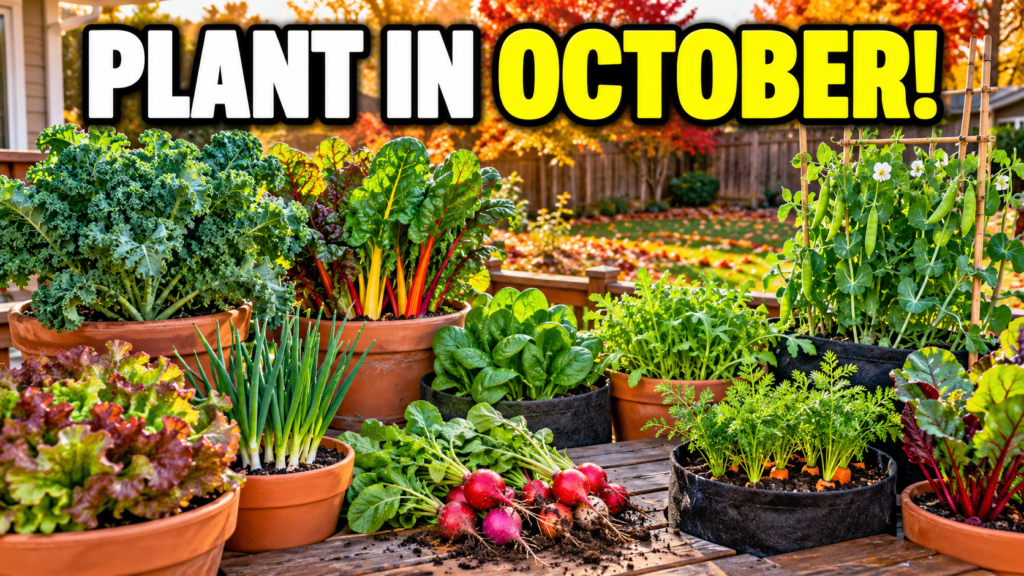
October is one of the best months of the entire year to start container gardening. The summer heat is gone, cooler air means less stress on young plants, and you do not need a single square foot of yard to grow real food. If you have a balcony, a patio, or even a sunny windowsill, you can be harvesting fresh vegetables within weeks.
Below are ten container vegetables to plant this October, the exact varieties that perform best in pots, and how long each one takes to mature. The key with October planting is timing. The sooner these go into their containers, the longer growing window you get before the real cold sets in.
Quick Reference Table
| Crop | Variety | Days to Harvest |
|---|---|---|
| Carrots | Thumbelina | 55-60 days |
| Carrots | Danvers Half Long | 70-75 days |
| Kale | Dwarf Blue Curled | 55-65 days |
| Kale | Red Russian | 50-60 days |
| Swiss Chard | Bright Lights | 50-60 days |
| Swiss Chard | Fordhook Giant | 50-60 days |
| Green Onions | Evergreen Hardy White | 30-50 days |
| Radishes | Cherry Belle | 22-28 days |
| Radishes | French Breakfast | 25-30 days |
| Spinach | Bloomsdale Long Standing | 40-50 days |
| Spinach | Space | 37-45 days |
| Peas | Sugar Snap | 60-70 days |
| Peas | Oregon Sugar Pod II | 60-65 days |
| Beets | Detroit Dark Red | 55-60 days |
| Beets | Golden Beet | 55-65 days |
| Arugula | Astro | 30-40 days |
| Arugula | Rocket | 40-50 days |
| Lettuce | Black Seeded Simpson | 45-50 days |
| Lettuce | Buttercrunch | 55-60 days |
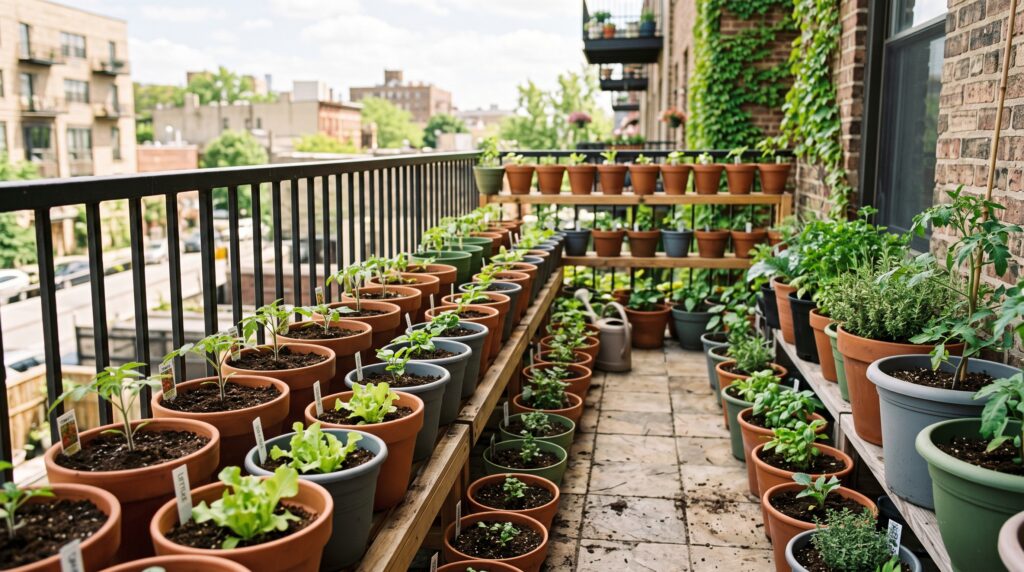
Why October Is Ideal for Container Gardening
Cooler fall air puts far less stress on young seedlings than the summer heat does, which means faster, healthier establishment in the first few weeks. Many of the crops on this list, like kale, spinach, and arugula, actually improve in flavor as temperatures drop, since the cold triggers the plant to convert some of its starches into sugar. Combine that with the fact that containers can be grown anywhere with a few hours of sunlight, and October becomes one of the lowest-effort, highest-reward windows of the whole gardening calendar.
1. Carrots
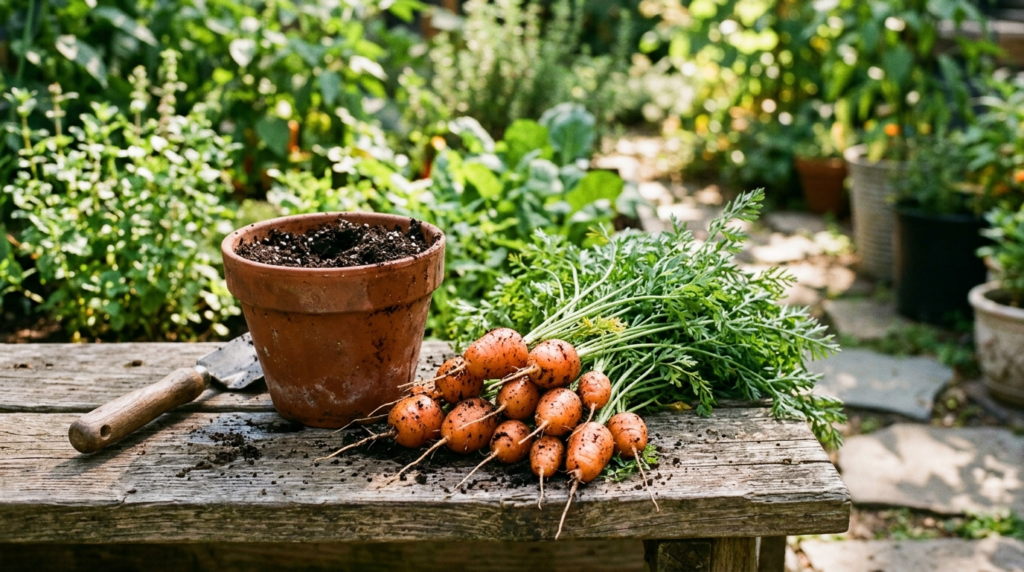
Carrots need depth rather than width, so variety selection matters more than pot size when growing in containers.
Thumbelina is a round, golf-ball-shaped carrot ready in about 55 to 60 days. It thrives in shallow containers where long, straight carrots would struggle to develop properly.
Danvers Half Long takes around 70 to 75 days and delivers that classic sweet, crisp carrot flavor in a slightly more compact root built specifically for container depth.
Pro tip: Use a container at least 8 to 10 inches deep for Thumbelina, and closer to 12 inches for Danvers Half Long, to avoid stunted or misshapen roots.
2. Kale
Kale actually gets sweeter the colder it gets, which makes October planting almost perfectly timed.
Dwarf Blue Curled matures in about 55 to 65 days, with tight, ruffled leaves and a compact size that makes it ideal for pots.
Red Russian takes roughly 50 to 60 days, with flat, tender, blue-green leaves and reddish stems, offering a milder, slightly sweeter taste than curly varieties.
Pro tip: Harvest the outer leaves first and leave the center growing point intact. Kale will keep producing new leaves for weeks after the first harvest.
3. Swiss Chard
Chard is one of the best return-on-space crops you can grow in a container, since it keeps regrowing for weeks after each cut.
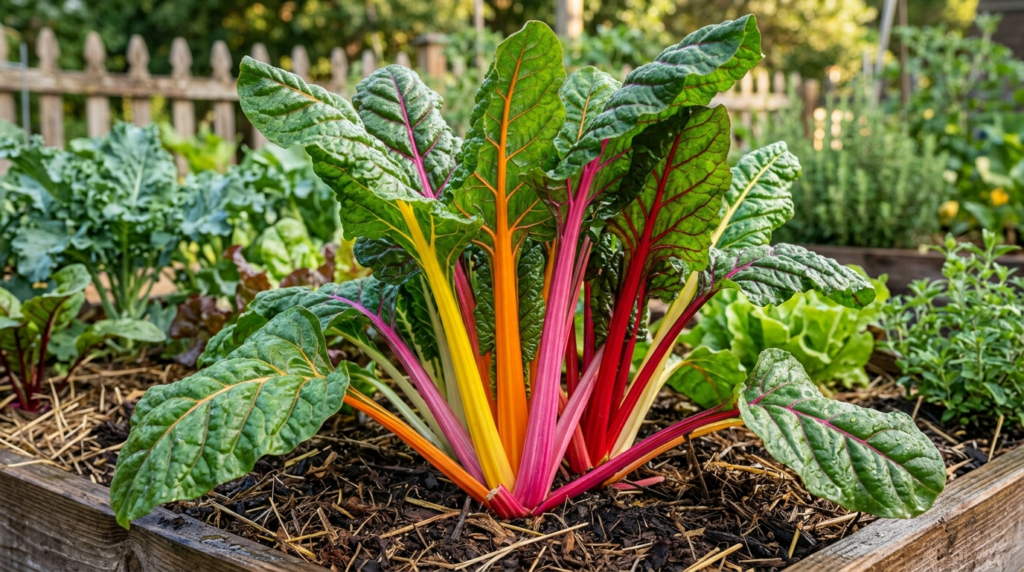
Bright Lights is ready in about 50 to 60 days and gives you stalks in red, yellow, orange, and pink, all from a single packet of seeds.
Fordhook Giant takes around 50 to 60 days as well, with thick white stalks and large, dark green, slightly crinkled leaves.
Pro tip: Cut outer stalks close to the base rather than pulling them, which encourages faster regrowth from the center.
4. Green Onions
If you want the fastest win on this entire list, this is it.
Evergreen Hardy White is ready in as little as 30 to 50 days, producing long, mild, white-based stalks. Because it regrows after cutting, one planting keeps giving over multiple harvests.
Pro tip: You can regrow green onions from kitchen scraps too. Place the root ends in a small container of soil and they will resprout within days, no seeds required.
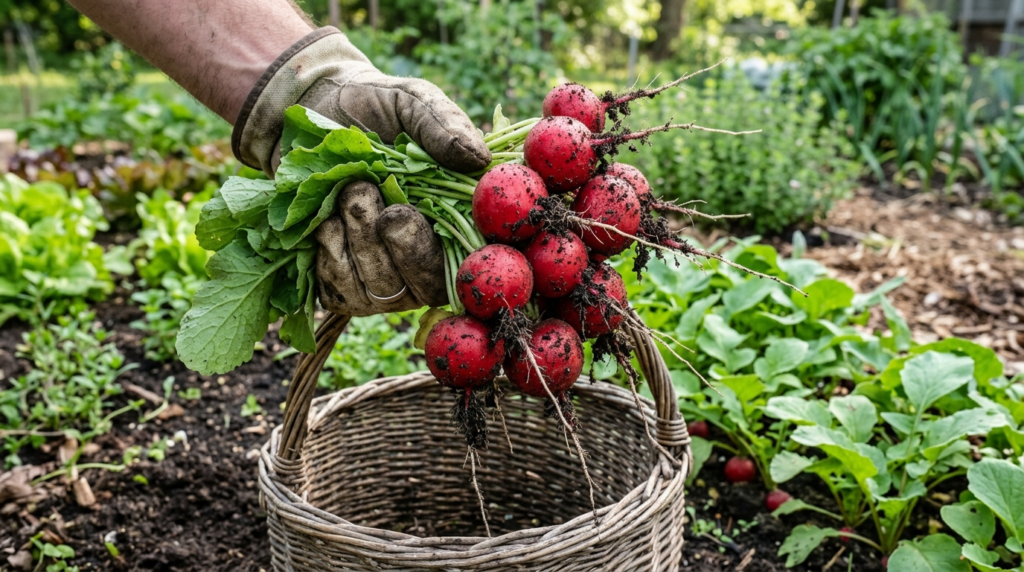
5. Radishes
Radishes are the confidence booster of container gardening, and one of the fastest crops you can grow anywhere.
Cherry Belle matures in just 22 to 28 days, with round, bright red roots and a clean, mild peppery bite.
French Breakfast takes about 25 to 30 days, with an elongated red-and-white root and a slightly milder, sweeter flavor than round varieties.
Pro tip: Radishes do not transplant well, so always direct sow them straight into their final container rather than starting them elsewhere and moving them.
6. Spinach
Spinach handles cool October air well and stays productive even in a shallow pot.
Bloomsdale Long Standing is ready in about 40 to 50 days, with deeply crinkled, dark green leaves and a rich, classic spinach flavor.
Space matures faster, around 37 to 45 days, with smooth, flat leaves that are easier to wash and great for salads.
Pro tip: Spinach bolts quickly in heat but is very slow to bolt in cool fall weather, which makes October plantings far more forgiving than spring ones.
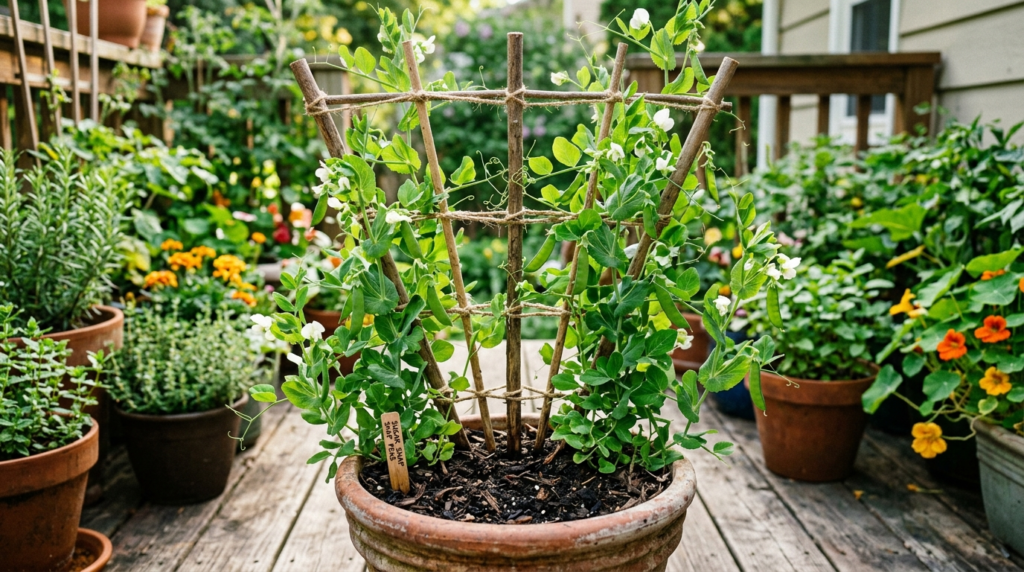
7. Peas
Give peas something to climb, even a small trellis pushed into the pot, and they reward you fast.
Sugar Snap takes about 60 to 70 days, with plump, edible pods and a sweet, crisp bite.
Oregon Sugar Pod II is ready in around 60 to 65 days, a snow pea variety with flat, tender pods perfect for stir fries.
Pro tip: Peas are one of the longer-maturing crops on this list, so plant them as early in October as possible to beat the first hard frost.
8. Beets
Beets give you two crops in one container: the root, and the greens on top.
Detroit Dark Red matures in about 55 to 60 days, with the classic deep red root most people picture, reliable fresh or stored.
Golden Beet takes around 55 to 65 days, with a rich golden color that is sweeter and earthier than red varieties, and greens just as good sautéed as the roots are roasted.
Pro tip: Thin beet seedlings early. Each “seed” is actually a small cluster, so multiple seedlings often emerge from a single spot and need separating for the roots to size up properly.
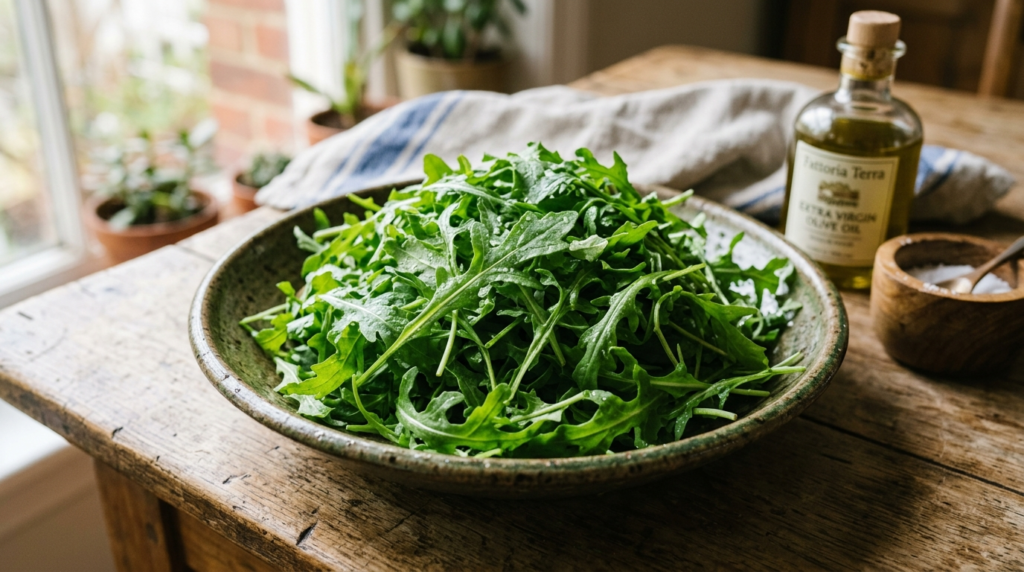
9. Arugula
Arugula grows almost effortlessly once the weather cools, and it is one of the fastest crops on this list.
Astro is ready in about 30 to 40 days, mild and tender for gardeners who want the peppery flavor without too much bite.
Rocket takes closer to 40 to 50 days, with a deeper, more serrated leaf and a bolder, spicier kick.
Pro tip: Sow arugula seeds every two weeks through October for a continuous supply, since it grows fast but does not hold in peak condition for very long once mature.
10. Lettuce
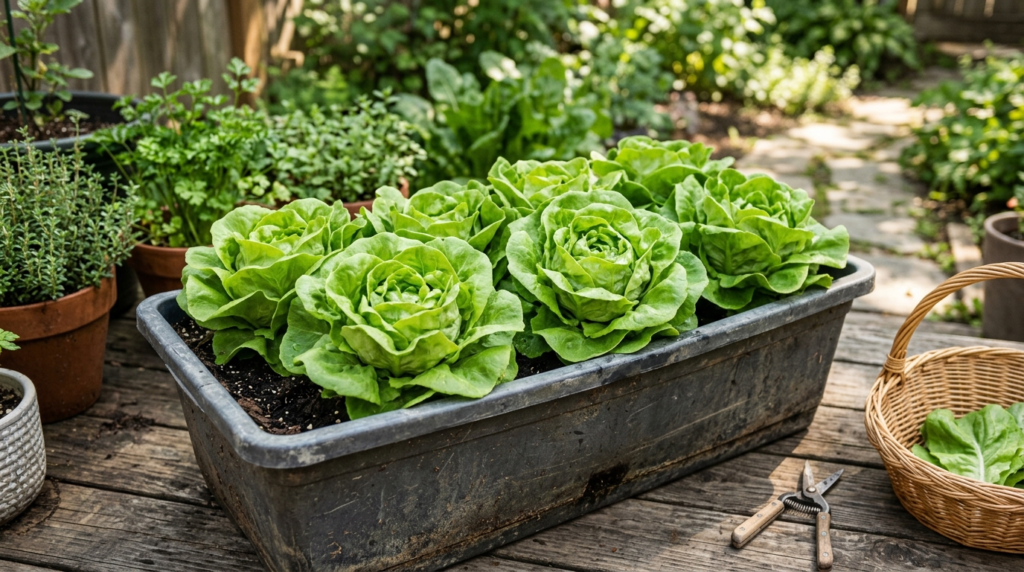
Lettuce might seem ordinary, but grown in a container through October’s cool weather, it becomes one of the most productive crops you can own.
Black Seeded Simpson is ready in just 45 to 50 days, with light green, ruffled leaves and a soft, mild flavor.
Buttercrunch takes about 55 to 60 days, with tender, buttery leaves that hold their texture even as the weather shifts. Because it is cut-and-come-again, a single container can keep feeding you salads for weeks, which is exactly why it closes out this list. It just keeps giving back.
Pro tip: Harvest lettuce in the early morning when leaves are most hydrated and crisp, rather than later in the day after the sun has had time to wilt them slightly.
Comparing These Crops by Speed and Space
| Crop | Fastest Variety | Best For Small Pots | Regrows After Cutting |
|---|---|---|---|
| Radishes | Cherry Belle (22-28 days) | Yes | No |
| Green Onions | Evergreen Hardy White (30-50 days) | Yes | Yes |
| Arugula | Astro (30-40 days) | Yes | Yes |
| Spinach | Space (37-45 days) | Yes | Yes |
| Lettuce | Black Seeded Simpson (45-50 days) | Yes | Yes |
| Swiss Chard | Bright Lights (50-60 days) | Moderate | Yes |
| Kale | Red Russian (50-60 days) | Moderate | Yes |
| Beets | Detroit Dark Red (55-60 days) | Moderate | No (root), Yes (greens) |
| Carrots | Thumbelina (55-60 days) | Moderate, needs depth | No |
| Peas | Oregon Sugar Pod II (60-65 days) | No, needs trellis | No |
October Container Planting Checklist
- [ ] Choose containers with drainage holes, at least 8 inches deep for leafy greens, 10-12 inches for carrots and beets
- [ ] Use a quality potting mix, not garden soil, for better drainage and aeration in containers
- [ ] Plant fast movers first: radishes, green onions, and arugula, if you want quick results
- [ ] Keep soil consistently moist while seeds are establishing
- [ ] Place containers where they get at least 4-6 hours of sunlight a day
- [ ] Thin seedlings where needed, especially carrots and beets
- [ ] Harvest outer leaves of kale, chard, spinach, and lettuce to keep plants producing longer
- [ ] Sow a new small batch of fast-growing crops every 1-2 weeks for a continuous harvest
- [ ] Track your local first hard frost date and plan your last October planting accordingly
Frequently Asked Questions
Can I really grow all ten of these in containers with no yard at all? Yes. Every crop on this list has been selected specifically because it performs well in pots. A balcony, patio, or even a sunny windowsill with a few containers is enough to grow all ten.
Do these vegetables need any special fertilizer? Most of these crops do well with a balanced, slow-release fertilizer mixed into the potting soil at planting time. Since containers drain faster than garden beds, nutrients wash out more quickly, so a light feeding every few weeks helps sustain growth.
What is the biggest mistake beginners make with container vegetables? Underestimating pot depth. Crops like carrots and beets need real depth to develop properly, and cramming them into shallow pots is one of the most common reasons container gardens underperform.
Will an early frost kill these plants? Kale, spinach, chard, and arugula tolerate light frost well and often taste better afterward. Radishes, lettuce, and peas are more frost-sensitive, so keep an eye on your local forecast as the season progresses.
How often should I water container vegetables in October? Containers dry out faster than garden beds, so check soil moisture every day or two, watering whenever the top inch of soil feels dry. Cooler October air does reduce watering frequency somewhat compared to summer.
Can I mix multiple crops in the same container? Yes, as long as their depth and spacing needs are compatible. Fast-growing shallow-rooted crops like radishes and green onions pair well together, while deep-rooted crops like carrots are usually better in their own container.
Related Articles
If you are building out your fall and winter growing plans, you might also want to check out:
- 5 Fast-Growing Fall Vegetables (Ready in 30-45 Days)
- 7 Tomato Growing Mistakes That Cut Your Harvest in Half
- Why Your Tomatoes Have Flowers But No Fruit And How To Fix It In 3 Days
Want More Practical Growing Guides?
For more step-by-step growing guides, seasonal planting tips, and in-depth articles built for real gardeners, not just theory, visit SmartFarmInsights.com. New content is added regularly to help you get more out of every planting season.