
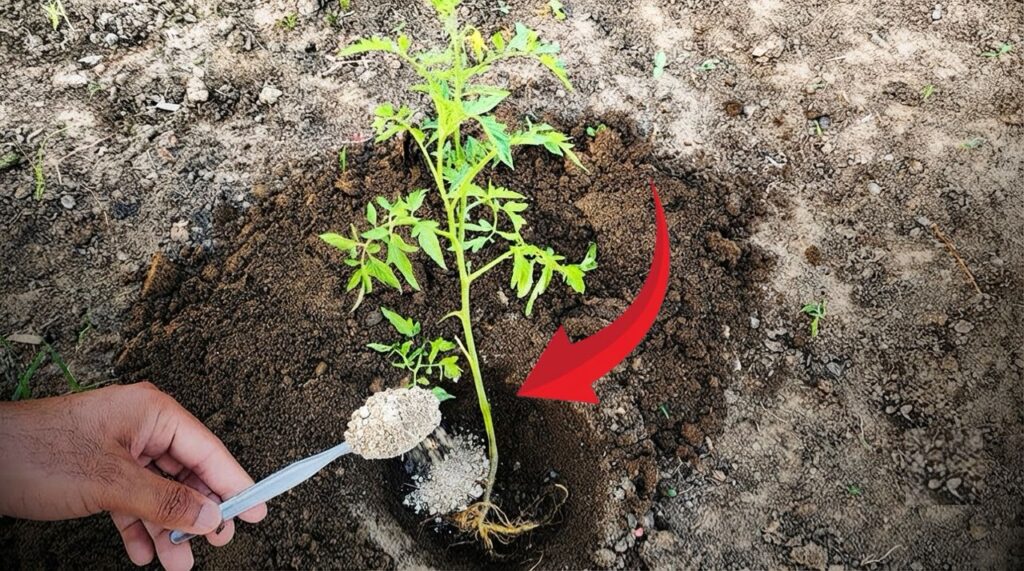
Chemical pesticides and store bought fertilizers are not the only way to grow a healthy, high yielding garden. With a few pantry ingredients and one simple pruning trick, you can protect your plants from pests, feed your soil naturally, and train your tomatoes to produce far more fruit than usual. This guide breaks down three field tested methods you can start using this week.
Quick Reference Table
| Method | Ingredients | Best For | Frequency |
|---|---|---|---|
| Insect Shield Spray | Salt, washing powder, baking soda, water | Soft bodied pests, fungal spots | 3 applications, morning or evening |
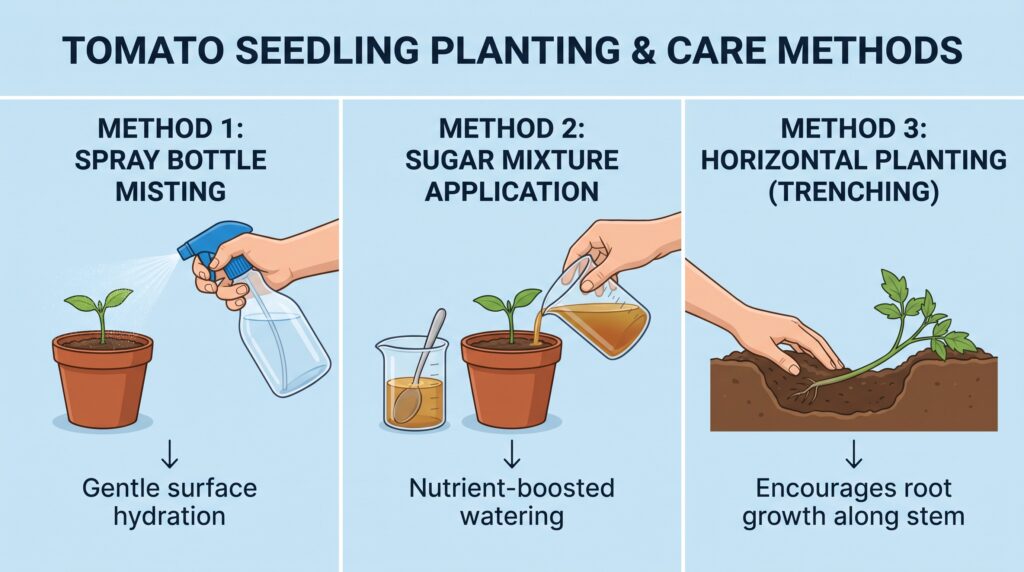
| Brown Sugar Growth Booster | Brown sugar, baking soda, water | Tomatoes, peppers, cucumbers, onions, watermelons | Every 7 days |
| Tomato Laying and Pruning Technique | No ingredients, just technique | Tomato plants 30-40 cm tall | Once at planting, then ongoing pruning |
Method 1: The Ultimate Insect Shield Spray
Soft bodied pests like aphids and whiteflies can wreck a garden fast, and most fungal problems start on damp leaf surfaces. This 30 liter spray tackles both issues with three ingredients you likely already have at home.
What you need:
- 10 grams of table salt
- 10 grams of washing powder
- 10 grams of baking soda
- 30 liters of clean water
Mix everything into the water and stir until fully dissolved. The washing powder breaks down the waxy coating that protects soft bodied insects, the salt works as a natural deterrent, and the baking soda shifts the pH on the leaf surface just enough to discourage fungal growth.
How to apply it:
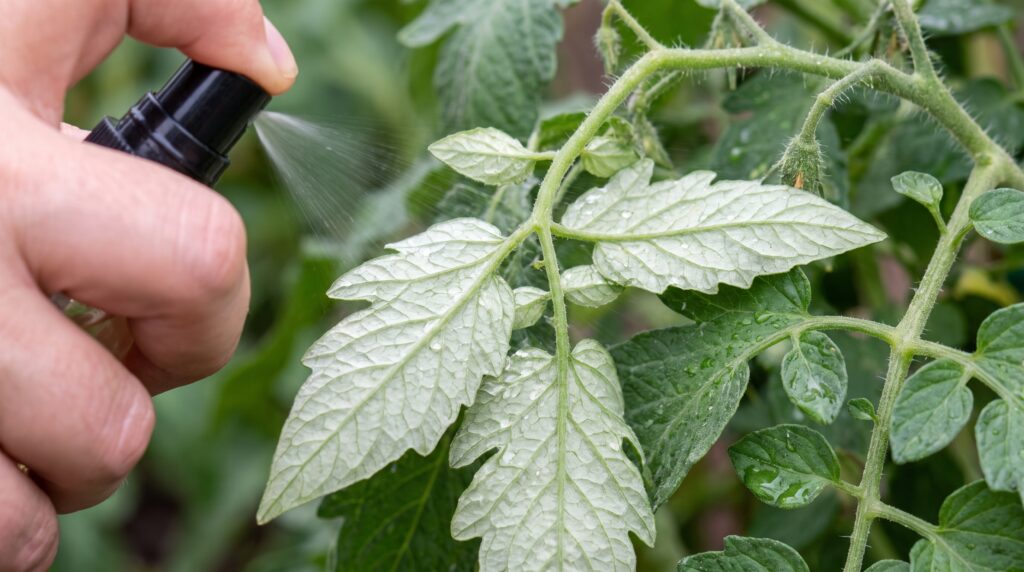
Spray before 10 AM or after 4 PM. Avoid midday application, since direct sun combined with the solution can stress the leaves and reduces how well the plant absorbs the treatment. Coat both the top and underside of every leaf, since pests and fungal spores tend to hide underneath. For a full pest clearout, repeat this three times, spacing the applications a few days apart.
Pro tip: Test the spray on a single leaf first if you have never used it on that plant variety before. Some seedlings with tender leaves can be more sensitive to the salt content.
Method 2: The Brown Sugar Growth Booster
Once your plants are pest free, the next step is feeding them in a way that supports the whole root system, not just the visible growth. This brown sugar mixture works as a low cost, natural alternative to synthetic fertilizer.
What you need:
- 20 grams of brown sugar
- 15 grams of baking soda
- 15 liters of clean water
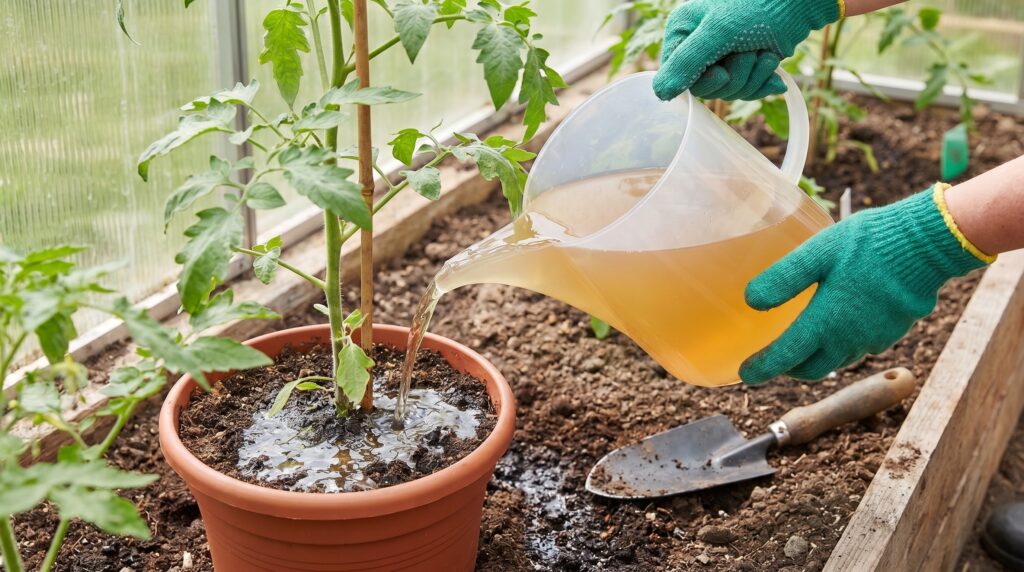
Dissolve both ingredients into the water and apply it either to the root zone or as a foliage spray once every seven days. The brown sugar acts as a food source for beneficial soil microorganisms, which in turn improve nutrient uptake at the roots. The baking soda helps guard against fungal issues at the same time, so you are treating two problems in one step.
Over a few weeks of consistent use, most gardeners notice stronger root development, heavier flowering, and a faster path from bloom to fruit.
Pro tip: For even better results, pair this weekly feeding with a light amino acid or trace mineral supplement so your plants get complete nutrition across the whole growing season, not just sugar and soda.
Method 3: The Tomato Laying and Pruning Technique
This is the structural piece that ties the other two methods together, and it is the one most home gardeners skip. When a tomato seedling reaches 30 to 40 centimeters tall, instead of letting it grow straight up, gently lay the stem down horizontally along the soil and cover part of it.
This does two things. First, the buried section of stem develops additional roots, which means a stronger overall root system and better access to water and nutrients. Second, redirecting the plant’s early energy away from vertical growth pushes it toward fruit production instead of excess leafy growth.
Ongoing pruning steps:
Once the plant begins blooming, remove the lower side branches. This reduces how much energy the plant spends maintaining extra foliage, so more of its resources go directly into the tomatoes themselves. During the fruit setting stage, thin each cluster down to four or five tomatoes, removing the smallest ones. What is left behind grows noticeably bigger and juicier because it is no longer competing for the same nutrients.
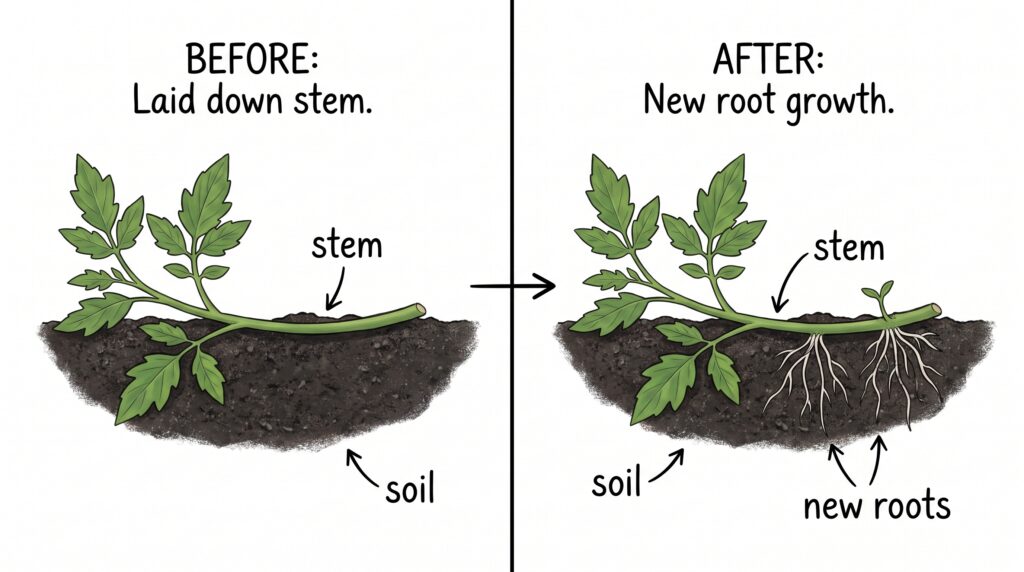
Pro tip: Do the laying step early. If you wait until the plant is much taller than 40 cm, the stem becomes harder to bend without snapping, and you lose most of the benefit.
Comparing the Three Methods
| Method | Time to Apply | Cost | Main Benefit |
|---|---|---|---|
| Insect Shield Spray | 10-15 minutes | Very low | Pest and fungal control |
| Brown Sugar Booster | 5-10 minutes weekly | Very low | Root strength, flowering, yield |
| Laying and Pruning | 5 minutes one time, then light maintenance | Free | Bigger, juicier fruit clusters |
Used together, these three methods cover the full growth cycle. Clean leaves protect the plant early, the sugar boost feeds it through the middle of the season, and the pruning technique shapes how the plant spends its energy once it starts fruiting.
Complete Checklist
- [ ] Mix and apply the Insect Shield Spray before 10 AM or after 4 PM
- [ ] Spray both the top and underside of every leaf
- [ ] Repeat the spray three times to fully clear pests
- [ ] Mix the Brown Sugar Growth Booster and apply weekly
- [ ] Add amino acids or trace elements for complete nutrition
- [ ] Lay tomato seedlings horizontally once they reach 30-40 cm
- [ ] Remove lower side branches once blooming starts
- [ ] Thin each fruit cluster down to 4-5 tomatoes
- [ ] Track your harvest results after 3-4 weeks of consistent use
Frequently Asked Questions
Can I use these methods on plants other than tomatoes? Yes. The Insect Shield Spray and the Brown Sugar Growth Booster both work well on peppers, cucumbers, onions, and watermelons. The laying and pruning technique is specific to tomatoes because of how the plant roots along its stem.
Will the salt in the spray damage my soil over time? At 10 grams per 30 liters, the concentration is low enough that it should not build up in the soil with normal use. If you are gardening in containers with limited drainage, it is still worth watering the base separately after spraying to avoid any salt accumulation right at the root zone.
How soon will I see results from the brown sugar booster? Most gardeners start noticing stronger stems and more flowering within two to three weeks of weekly applications. Full yield differences usually show up by the time fruit sets.
Is it too late to try the laying technique if my tomato plant is already tall? If your plant is well past 40 cm, laying the main stem down becomes risky since it can snap. In that case, focus on the pruning and thinning steps instead, which still improve fruit size and quality on an established plant.
Do I need special equipment for any of these methods? No. A clean spray bottle or garden sprayer, a mixing container, and basic pruning shears are all you need.
Can I combine the spray and the sugar booster on the same day? It is better to space them out by a day or two so you can watch how the plant responds to each treatment separately, especially the first time you use them.
Try It in Your Own Garden
Every one of these methods relies on ingredients most people already have at home, and none of them require a big time investment. Start with whichever problem you are facing right now, whether that is pests on your leaves, slow growth, or disappointing fruit size, and layer in the other two methods as your plants progress through the season.
For more step by step growing guides like this one, check out our articles on 7 Tomato Growing Mistakes That Cut Your Harvest in Half and Why Your Tomatoes Have Flowers But No Fruit And How To Fix It In 3 Days. If you want to go even further with your harvest, our guide on 5 Secret Tricks That Will Explode Your Tomato Harvest pairs well with the pruning technique covered above.
If you found this guide useful, explore more practical, no-nonsense gardening advice on SmartFarmInsights.com, where we break down real techniques that home growers and small farms can use without spending money on expensive chemical treatments.
#OrganicGardening #TomatoGarden #NaturalPestControl #HomeGardening #GardeningTips #GrowYourOwn #TomatoPlants #SustainableFarming #GardenHacks #SmartFarmInsights