
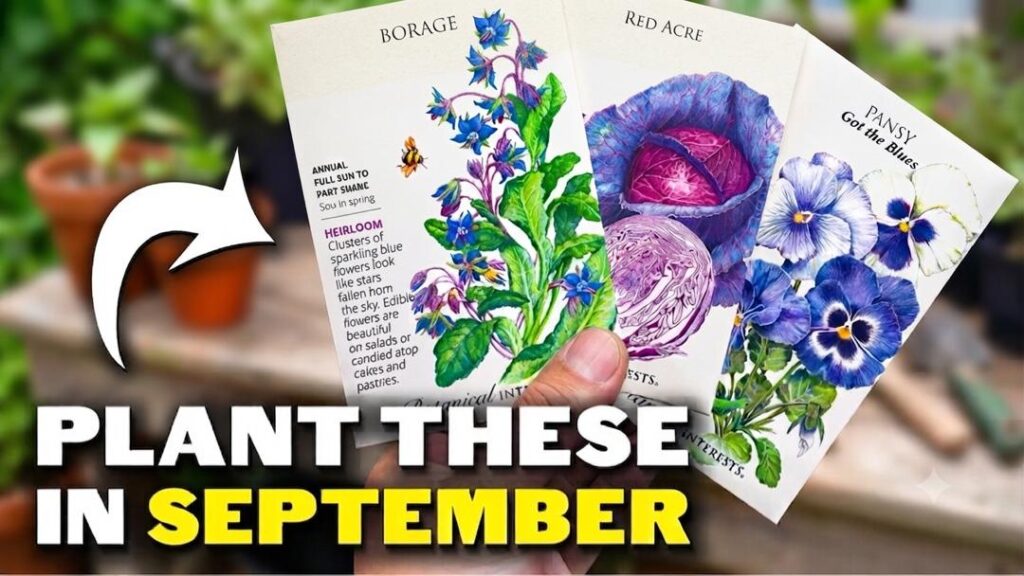
September is one of the best months of the entire year to get your garden going again. The summer heat is finally breaking, the soil is still warm from months of sun, and cool season crops thrive in exactly these conditions. Plant the right vegetables this month and you will be harvesting fresh, crisp, homegrown food all through fall, and in many zones, right into winter.
Below is a complete breakdown of ten must grow vegetables for September, the exact varieties that perform best, and how long each one takes to mature.
![Overhead shot of a fall vegetable garden bed with mixed greens, radishes, and beets growing together]](https://smartfarminsights.com/wp-content/uploads/2026/09/Vegetables_growing_in_garden_bed_202609011653-1024x572.jpeg "10 Vegetables You Should Be Planting in September (Full Variety Guide)")
Quick Reference Table
| Vegetable | Variety | Days to Maturity |
|---|---|---|
| Radish | Purple Plum | 25-30 days |
| Arugula | Astro | 30-40 days |
| Arugula | Rocky (Wild Rocket) | 40-50 days |
| Bok Choy | Toy Choy | 35-45 days |
| Broccoli | Kailaan (Chinese Broccoli) | 50-60 days |
| Broccoli | Belstar | 65-70 days |
| Broccoli | Burgundy | 68-75 days |
| Cabbage | Red Acre | 65-70 days |
| Cabbage | Copenhagen Market | 63-70 days |
| Cabbage | Caraflex | 60-65 days |
| Cauliflower | Twister | 70-80 days |
| Lettuce | Buttercrunch Butterhead | 55-60 days |
| Lettuce | Vivian Romaine | 55-65 days |
| Cucumber | Telegraph Improved | 60-65 days |
| Cucumber | Quick Snack | 50-55 days |
| Kale | Lacinato (Dinosaur Kale) | 60-70 days |
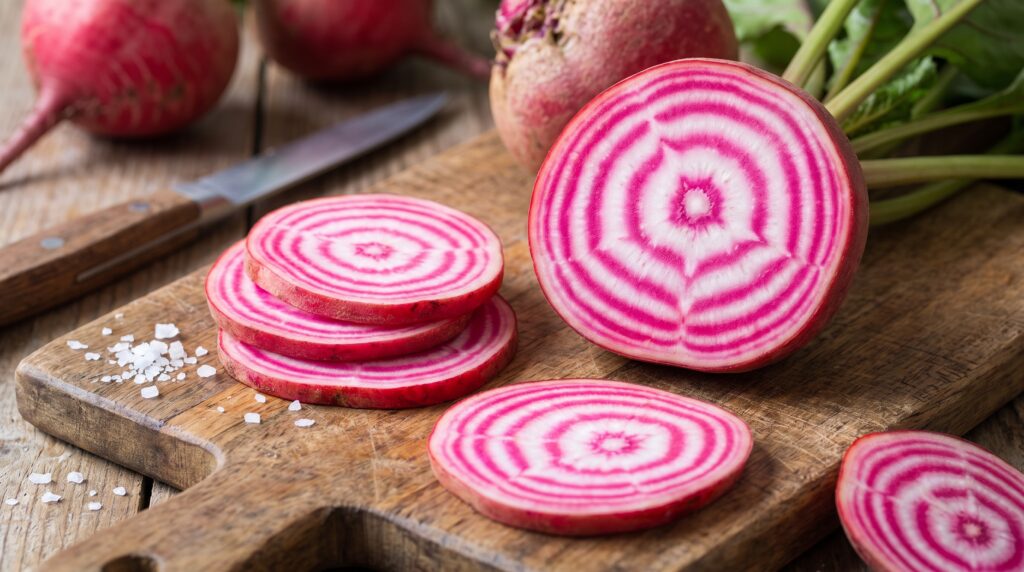
| Beet | Chioggia | 55-60 days |
| Beet | Touchstone Gold | 55-60 days |
| Beet | Early Wonder | 50-55 days |
| Beet | Detroit Dark Red | 55-60 days |
| Beet | Bull’s Blood | 35 days (greens) / 50-60 days (roots) |
1. Radishes
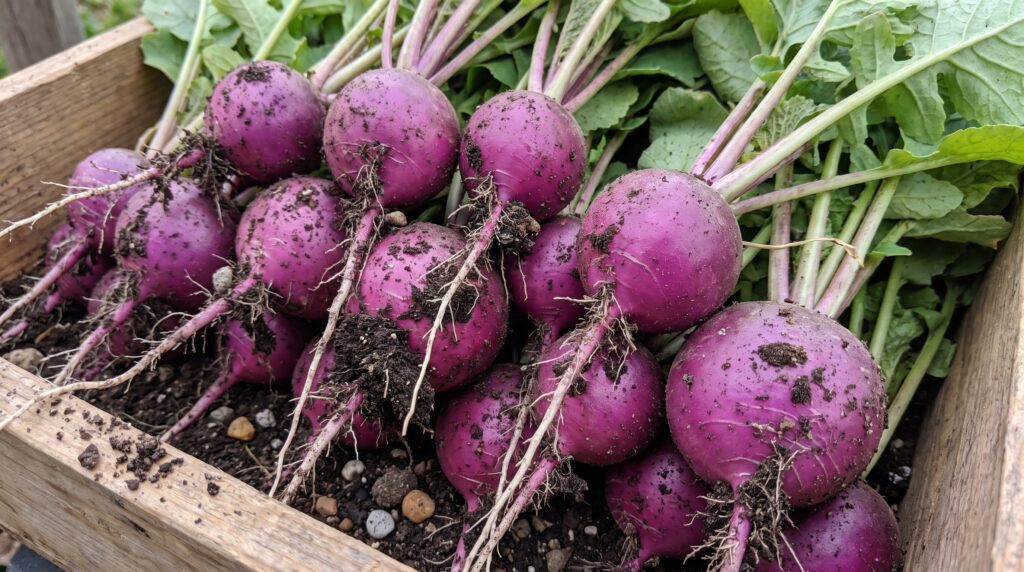
Purple Plum is a standout variety for September planting, ready in as little as 25 to 30 days. It has vibrant purple skin, crisp white flesh, and a clean, mild peppery flavor that is softer than some of the sharper radish varieties. Because it matures so quickly, this is a perfect crop for filling in empty spaces in your garden while slower growing vegetables are still developing.
Pro Tip: Sow radish seeds directly in the soil every 10 to 14 days through September for a continuous harvest instead of one large batch all at once.
2. Arugula
Arugula basically grows itself once the weather cools, and it is ready to eat surprisingly fast. Astro matures in about 30 to 40 days and is a mild, tender variety, perfect if you want that peppery arugula flavor without it being overwhelming. Rocky, also known as Wild Rocket, takes closer to 40 to 50 days and has a deeper, more serrated leaf with a much more intense, spicy bite for gardeners who love bold greens.
Both varieties can be harvested as baby leaves in as little as three weeks.
Pro Tip: Cut arugula leaves with scissors about an inch above the soil line rather than pulling the whole plant. It will regrow for multiple harvests from the same planting.
3. Bok Choy
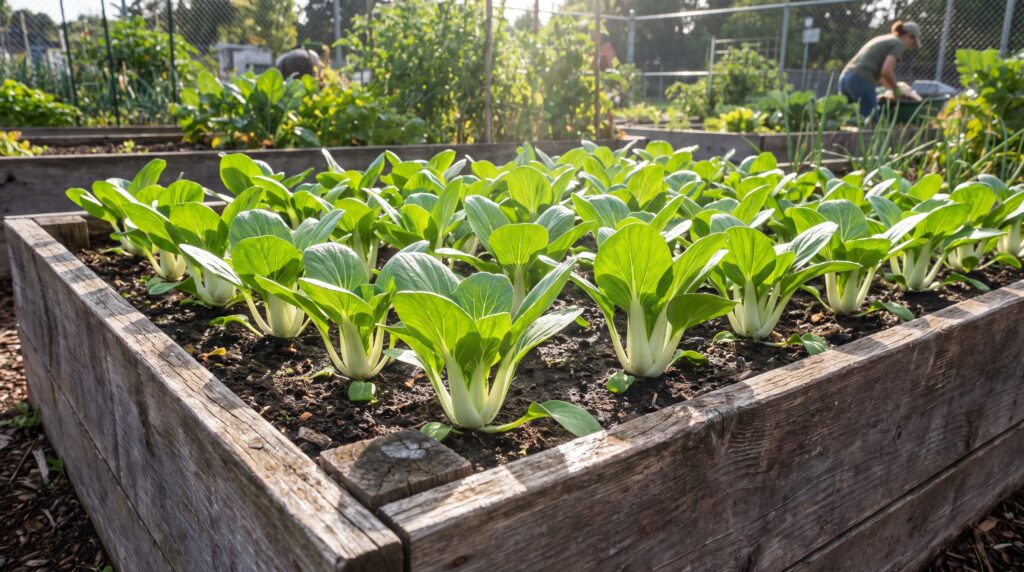
Bok Choy is one of the quickest, most satisfying vegetables you can grow in fall, and Toy Choy is the variety worth recommending to almost every gardener. It matures in just 35 to 45 days. It is a compact, baby sized bok choy that takes up very little space, making it perfect for containers, raised beds, or gaps between other September crops. The crisp white stalks and tender green leaves work well in stir fries, soups, or lightly sautéed with garlic.
4. Broccoli
Broccoli is a September staple because it actually prefers cooler weather to form tight, sweet heads instead of bolting into flowers. Three varieties are worth knowing this month.
Kailaan (Chinese Broccoli): Ready in about 50 to 60 days, fast growing, tender, and ideal for stir fry style cooking.
Belstar: A reliable hybrid that takes around 65 to 70 days, producing a large central head and then continuing to give smaller side shoots for weeks after the main harvest, so you get more food from a single plant.
Burgundy: A purple tinged variety that matures in about 68 to 75 days. It is productive and also adds real color to fall garden beds.
Pro Tip: Once you cut the main head from Belstar, keep watering and feeding the plant. The side shoots that follow can extend your harvest window by several weeks.
5. Cabbage
Cabbage is another cool season superstar, and September is prime planting time in most regions.
| Variety | Days to Maturity | Best For |
|---|---|---|
| Red Acre | 65-70 days | Long storage, deep purple-red heads |
| Copenhagen Market | 63-70 days | Beginners, round solid green heads |
| Caraflex | 60-65 days | Slaws and quick sautés, cone-shaped |
Red Acre gives you dense, deep purple red heads that store incredibly well once harvested. Copenhagen Market forms round, solid green heads quickly and is one of the most forgiving cabbages for beginner gardeners. Caraflex is a cone shaped variety with a sweet, tender texture, fantastic for slaws and quick sautés.
6. Cauliflower
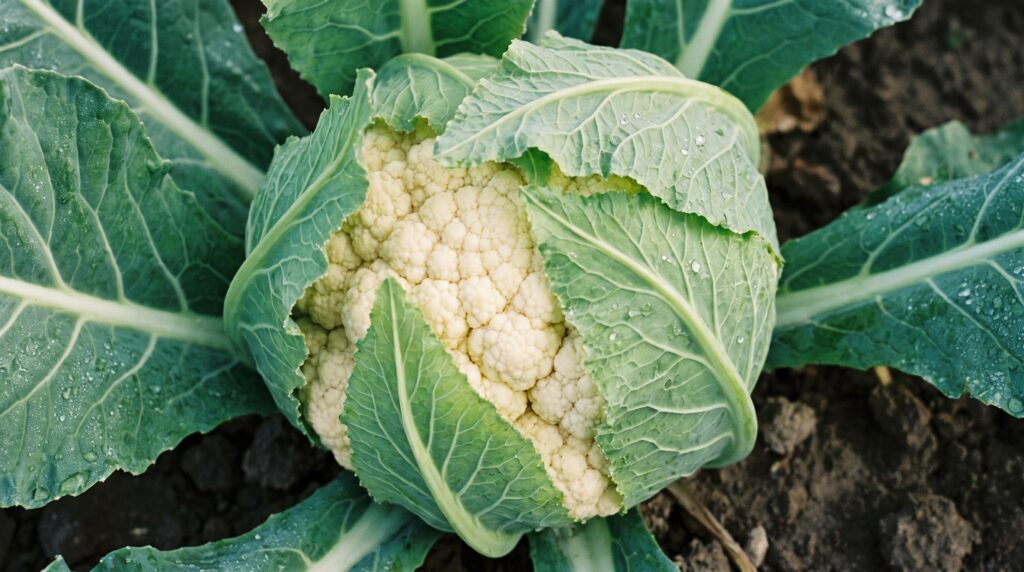
If you have struggled with cauliflower before, September is your redemption month. Cauliflower hates hot weather and thrives once temperatures cool down. Twister takes about 70 to 80 days and forms tight, uniform, snow white curds. It is bred to self blanch, meaning the outer leaves naturally wrap around the head to protect that white color without you having to tie the leaves yourself.
Pro Tip: Cauliflower needs consistent moisture and steady nutrients to avoid small, uneven heads. Feed with a balanced fertilizer every two to three weeks during the growing period.
7. Lettuce
Lettuce is one of the most rewarding crops for September, and a mix of types keeps your salads interesting all season. Buttercrunch Butterhead is ready in around 55 to 60 days, giving soft, buttery, tender leaves with a mild sweet flavor that holds up well as the weather shifts. Vivian Romaine takes about 55 to 65 days, a tall, upright variety with crisp, crunchy ribs, and it is slow to bolt, meaning a longer harvest window before it turns bitter.
8. Cucumbers
September is not the first month people think of for cucumbers, but in warmer climates or with a bit of protection, you can still get a great crop before the season ends.
Telegraph Improved takes about 60 to 65 days and is a long, slender, nearly seedless cucumber with smooth, thin skin and a mild flavor, a classic for good reason. Quick Snack lives up to its name, maturing in around 50 to 55 days. It is a compact, fast producing variety that gives crisp, snackable cucumbers in a shorter window, perfect for squeezing in one more harvest before the cold sets in.
9. Kale
Kale is practically made for fall gardening, because cooler temperatures make the leaves sweeter. Lacinato Kale, also known as Dinosaur Kale, is the variety every gardener should have in their September lineup. It takes about 60 to 70 days to mature, with long, dark blue green, deeply textured leaves that hold up beautifully to frost and get better tasting the colder it gets. It is nutrient dense and keeps producing new leaves for months, so a single planting can feed you well into winter.
Pro Tip: A light frost actually improves Lacinato Kale’s flavor by converting some of the plant’s starches into sugars. Do not rush to harvest before the first frost hits.
10. Beets
Beets are one of the most visually stunning vegetables you can grow, and September is an excellent time to get them in the ground for a fall harvest.
| Variety | Days to Maturity | Standout Feature |
|---|---|---|
| Chioggia | 55-60 days | Candy cane striped interior |
| Touchstone Gold | 55-60 days | Rich golden color, earthy-sweet taste |
| Early Wonder | 50-55 days | Fastest maturing beet on this list |
| Detroit Dark Red | 55-60 days | Classic deep red, great for storage |
| Bull’s Blood | 35 days (greens) / 50-60 days (roots) | Deep burgundy leaves, great in salads |
Chioggia is famous for its stunning candy cane striped interior when sliced open, with a mild, sweet flavor. Touchstone Gold gives a rich golden color inside and out, with a slightly earthier, sweeter taste. Early Wonder is one of the fastest, ready in 50 to 55 days. Detroit Dark Red is the classic deep red beet most people picture, dependable for both fresh eating and storage. Bull’s Blood can be harvested as baby greens in about 35 days, or left to mature as full roots by 50 to 60 days, and is grown as much for its deep burgundy leaves as its roots.
Planting a mix of these beet varieties gives you variety in color, flavor, and harvest timing, all from one bed.
September Planting Checklist
- [ ] Choose a mix of fast growing crops (radish, arugula, bok choy) and longer season crops (broccoli, cabbage, cauliflower)
- [ ] Prep beds with fresh compost before planting
- [ ] Direct sow radishes, arugula, and beets
- [ ] Start broccoli, cabbage, and cauliflower from transplants if you did not start seeds indoors already
- [ ] Water consistently to keep soil moist while seeds and transplants establish
- [ ] Stagger radish and arugula sowings every 10 to 14 days for continuous harvests
- [ ] Mulch around kale and beets to help regulate soil moisture as fall progresses
- [ ] Watch for pests like cabbage moths on brassicas (broccoli, cabbage, cauliflower) and treat early
- [ ] Mark your calendar with each variety’s approximate harvest window
Video Guide
Watch the full video walkthrough above for a closer look at each variety and planting tips you can apply directly in your own garden.
FAQ
1. What vegetables are best to plant in September? Cool season crops thrive in September. Radishes, arugula, bok choy, broccoli, cabbage, cauliflower, lettuce, kale, and beets are all strong choices, along with cucumbers in warmer climates or with some protection.
2. Is September too late to plant vegetables? No. September soil is still warm from summer, which helps seeds germinate quickly, while cooler air temperatures suit crops like broccoli and cauliflower that struggle in summer heat. Many of these vegetables mature in 30 to 80 days, giving plenty of time before winter in most zones.
3. What is the fastest growing vegetable for a fall garden? Radishes are the fastest, with Purple Plum ready in as little as 25 to 30 days. Arugula and baby bok choy are close behind, both ready in about a month.
4. Do cauliflower and broccoli actually grow better in cooler weather? Yes. Both crops tend to bolt or produce loose, poor quality heads in hot weather. Cooler September and fall temperatures help them form tight, sweet heads.
5. Can I still grow cucumbers in September? In warmer climates or with row covers and season extension methods, yes. Fast maturing varieties like Quick Snack, ready in 50 to 55 days, are the best option for squeezing in a harvest before cold weather arrives.
6. Which beet variety is best for beginners? Detroit Dark Red is a dependable, classic choice with a 55 to 60 day maturity window and reliable performance for both fresh eating and storage.
Want the Full Growing Guides?
If you want to go deeper on any of these crops, from detailed planting schedules to complete growing guides, check out our other articles on tomatoes and fall garden planning right here on SmartFarmInsights.com. New guides are added regularly to help you grow more, troubleshoot problems, and get the most out of every season.
Related reading:
- 7 Tomato Growing Mistakes That Cut Your Harvest in Half
- 5 Secret Tricks That Will Explode Your Tomato Harvest
- Why Your Tomatoes Have Flowers But No Fruit And How To Fix It In 3 Days
SEO Tags: september vegetables to grow, fall vegetable garden, cool season crops, what to plant in september, fall garden planting guide, broccoli varieties, cabbage varieties, beet varieties, kale growing guide, fall vegetable planting schedule